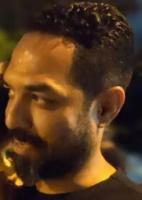
«می شد زنده بماند اگر به بیمارستان حمله نمی کردند.»
این جمله ای است که یکی از نزدیکان «سجاد سلیمانی» به «ایران وایر» می گوید. مردی که پنج شنبه ۱۸دی۱۴۰۴ در پی فراخوان ها برای اعتراضات سراسری به میدان «آریاشهر» تهران رفت و کشته شد.
سجاد سلیمانی متولد خرداد ۱۳۶۳ بود؛ ۴۱ ساله متاهل و پدر دختری پنج ساله. دستش به دهانش می رسید. کارگاه «مبل سازی» داشت و به اجتماعی بودن بذله گویی خوش مشربی و مهربانی معروف بود.
منبع ایران وایر شبی که سجاد سلیمانی به قتل رسید را این گونه روایت می کند: «او در شب فراخوان ها مثل بقیه مردم به خیابان آمد. ماموران اول اشک آور زدند. جمعیت که مسیر را گم کرد شروع کردند با تیر جنگی شلیک کردن. سجاد دو گلوله خورد. یکی از ناحیه ران پا و یکی هم از پشت به کلیه سمت راستش خورده بود.»
با این حال جمعیتی که هنوز از گلوله های جنگی نیروهای حکومت در امان مانده بودند سجاد سلیمانی را به دوش می کشند. فرد آگاه به ایران وایر می گوید که سجاد با کمک چند نفر از مردم و برخی دوستانش به بیمارستان «ابن سینا» تهران در فلکه دوم آریاشهر منتقل می شود.
فرد آگاه به ایران وایر می گوید که پس از انتقال سجاد سلیمانی به بیمارستان پرستارها و پزشک ها روند درمان را آغاز می کنند: «سجاد زنده بود. تا این که مامورها حمله کردند. همه همراهان را با تهدید و عربده کشی بیرون کردند. بعد خبر دادند که سجاد فوت شده است بروید پزشکی قانونی کهریزک و تحویلش بگیرید.»
فردی که با ایران وایر صحبت کرده می گوید که خانواده اش «خوش شانس بودند» و پیکر را بدون پرداخت هزینه تحویل گرفتند: «پولی از خانواده اش گویا نخواستند. لااقل ما که شنیدیم پولی پرداخت نکرده بودند. اما تعهد گرفتند که خاکسپاری بدون سر و صدا و مراسم برگزار شود. حتی وقتی مراسم سوم را در مسجد برگزار کردند هم چند مامور و لباس شخصی که کسی نمی شناخت آمده بودند.»
سجاد سلیمانی پدر دختری پنج ساله بود که برای آینده روشن تر فرزندش تلاش می کرد. او حالا اما کنار خانواده اش نیست.
“He could have survived if they hadnt attacked the hospital.”
This is what a relative of Sajjad Soleimani told IranWire. Sajjad had gone to Tehrans Aryashahr Square on Thursday January 8 after calls for nationwide protests. He did not return home that night.
Sajjad Soleimani was born in June 1984. He was 41 married and the father of a fiveyearold daughter. He ran a furnituremaking workshop and was financially stable. Those who knew him described him as social witty goodnatured and kind.
Aryashahr Square officially known as Sadeghiyeh is one of the busiest and most strategic transport hubs in West Tehran. During protests it becomes a highstakes battleground as it connects several major residential districts. Controlling the square allows authorities to prevent protesters from different neighborhoods from converging into a single massive crowd.
A source described the night Sajjad was killed to IranWire: “He went out like everyone else in response to the calls. First the agents fired tear gas. Once the crowd became disoriented in the smoke they began firing live ammunition. Sajjad was hit by two bullets one in the thigh and another from behind that struck his right kidney.”
Despite the danger bystanders who had escaped the gunfire lifted Sajjad onto their shoulders and carried him to safety. An informed source told IranWire that with the help of several people and some of his friends Sajjad was taken to Ibn Sina Hospital at Aryashahrs Second Square.
According to the source once Sajjad arrived at the hospital nurses and doctors began treating him. “Sajjad was alive until the agents raided” the source said. “They forcibly removed all companions shouting threats. Later they announced that Sajjad had died and told them to go to the Kahrizak Forensic Medical Center to collect his body.”
During the 2026 protests hospitals became part of the front line. Security forces repeatedly stormed emergency rooms to arrest wounded protesters or seize patients who may have seen the shooters faces. When agents took control of a patients care families often feared the victim was deliberately neglected or “finished off” to prevent them from becoming living witnesses to the states use of live ammunition.
The person who spoke to IranWire said the family was “lucky” because they received Sajjads body without being forced to pay a fee. “As far as we know they didnt have to pay” the source said. “But the family was made to sign a written commitment that the burial would be held quietly without a ceremony. Even during the thirdday memorial service at the mosque several unidentified agents and plainclothes officers were present.”
In previous crackdowns families have reported being forced to pay a socalled “bullet fee” Poole Tir to retrieve the bodies of their loved ones effectively paying the state for the ammunition used to kill them. While Sajjads family avoided this fee they were still subjected to a forced “silent burial.” The presence of unidentified agents at the mosque is a common tactic used to prevent antigovernment slogans and to identify other activists among mourners.
Sajjad Soleimani was the father of a fiveyearold girl and was working to build a better future for her. He is no longer alive.
Last Changes:

Once you submit your report, we carefully review and publish it as the latest verified update on the detainee’s case, ensuring that their situation remains visible, documented, and accessible to the public. By keeping accurate and up to date information online, Witness Report helps prevent cases from being forgotten, strengthens public awareness, and reinforces accountability. This process offers reassurance that your loved one’s story continues to be seen, acknowledged, and remembered.
Report
Thank You

Support
- PAYID: 0485870004
All rights reserved Witness.Report 2022-2026.