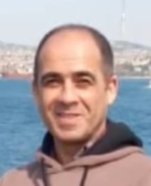
Ehsan Abolhasan Beigi, 44 years old, was killed in Shiraz on the night of 18 January with live and pellet gunfire. Initially, he was injured by pellet shots to his hands and legs, and subsequently, he died from direct live gunfire to his arm and neck.
His body was handed over to his family approximately a week later, and his burial ceremony was held in Firuzabad, Fars, alongside Raha Bahloulipour, without permission for public announcements or notifications.
According to sources, Ehsan did not retreat in the face of security forces on the night of the incident, leading to a confrontation in which he was ultimately shot.
Ehsan had previously stated his intention to join the protests and had expressed on his Instagram story that staying at home was no longer acceptable and that everyone should take to the streets.
He owned a leather bag production business and held a diploma. Ehsan had lived away from his family for about twenty years and, after residing in Tehran and Turkey for several years, returned to Shiraz approximately a year ago to establish a leather and bag workshop. He had a strong interest in poetry and literature.
احسان ابوالحسن بیگی ۴۴ ساله در شب پنج شنبه 18 دی در شیراز با شلیک گلوله های جنگی و ساچمه ای کشته شد. ابتدا با شلیک گلوله ساچمه ای به دست و پایش مجروح شد و سپس با شلیک مستقیم گلوله جنگی به ناحیه بازو و گردن جان باخت.
پیکر او پس از حدود یک هفته به خانواده تحویل داده شد و مراسم خاکسپاری او در فیروزآباد فارس در کنار پیکر رها بهلولی پور، بدون اجازه چاپ اعلامیه و اطلاع رسانی عمومی، برگزار شد.
به گفته منابع، احسان در شب حادثه در برابر نیروهای امنیتی عقب نشینی نکرد و درگیری رخ داد که در نهایت هدف گلوله قرار گرفت.
احسان پیش تر اعلام کرده بود که برای اعتراضات به خیابان خواهد رفت و در استوری اینستاگرام خود نوشته بود که دیگر در خانه ماندن جایز نیست و همه باید به خیابان بیایند.
او تولیدی کیف چرم داشت و دیپلم بود. احسان حدود بیست سال از خانواده دور زندگی کرده بود و پس از سال ها اقامت در تهران و ترکیه، حدود یک سال قبل به شیراز بازگشته و کارگاه تولید کیف و چرم راه اندازی کرده بود. او به شعر و ادبیات علاقه زیادی داشت.