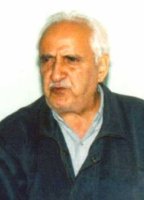
Professor Mohammad Taqi Zehtabi was born in 1923 in a well-known intellectual family in Shabestar. After completing his primary education in Shabestar, he moved to Tabriz for further studies at the Fiyuzat School and later at the Tabriz Teacher Training College. Upon completing his education, he began teaching primary school at the Roshdieh School in Tabriz.
With the establishment of the Azerbaijan Democratic Party and the Azerbaijan National Government in 1945, Zehtabi joined the youth branch of the party and focused on cultural and educational activities to strengthen the identity, language, and history of Azerbaijan.
He played a role in political activities against the distortion of history and authoritarian pressures and is considered one of the intellectual founders of the modern national movement of Azerbaijan. His scientific and cultural activities opened a new path for reviving the national identity and rights of the Azerbaijani people.
Professor Zehtabi proposed the holding of the "Qurultay" or Babak Congress to commemorate the birthday of Babak Khorramdin. This event is held annually on the second Thursday and Friday of summer at Babak Castle, symbolising the historical resistance of the Azerbaijani people.
Unfortunately, in January 1999, after returning from a trip to Germany, Professor Zehtabi was killed in his home in Shabestar during a series of murders known as the chain murders in Iran. His body, showing signs of torture and assault, was discovered on 21 December 1998. Despite the national and scientific significance of his activities, Persian media and some human rights organisations remained silent about his murder, unlike other victims.
Professor Mohammad Taqi Zehtabi was not only a prominent historian and intellectual but also a symbol of intellectual and national resistance in Azerbaijan against historical distortion and authoritarian pressures.
Among his significant works are "The Ancient History of the Turks of Iran," "My Turkish, My Voice Flag," "In the Fortress of Baz," "Memories of Ali Agha Vahid," and "The Falcon in Chains (Poetry Collection)," each reflecting his critical, historical, and cultural perspective on the issues of the Azerbaijani people.
Professor Zehtabi's works continue to inspire and guide future generations of cultural and national activists in Azerbaijan.
پروفسور «محمدتقی زهتابی» در سال ۱۳۰۲ در خانواده ای روشنفکر و مشهور به «عائله کیریشچی» در شهر شبستر متولد شد. پس از اتمام تحصیلات ابتدایی در مدرسه شبستر، برای ادامه تحصیل به تبریز مهاجرت کرد و در مدرسه فیوضات و سپس دانشسرای تربیت معلم تبریز تحصیل نمود. پس از پایان تحصیلات، در مدرسه رشدیه تبریز به تدریس دوره ابتدایی پرداخت.
با تأسیس فرقه دموکرات آذربایجان و حکومت ملی آذربایجان در سال ۱۳۲۴، زهتابی به عضویت شاخه جوانان فرقه درآمد و از آن پس به فعالیت های فرهنگی و آموزشی خود در راستای تقویت هویت، زبان و تاریخ آذربایجان پرداخت.
او در جریان فعالیت های سیاسی خود علیه تحریف تاریخ و فشارهای استبدادی نقش داشت و یکی از بنیان گذاران فکری و نظری حرکت نوین ملی آذربایجان به شمار می رود. فعالیت های علمی و فرهنگی او مسیر تازه ای برای احیای هویت ملی و حقوق ملت آذربایجان گشود.
پروفسور زهتابی پیشنهاد برگزاری مراسم «قورولتای» یا کنگره بابک را به مناسبت سالروز تولد بابک خرمدین مطرح کرد؛ مراسمی که هر سال در دومین پنج شنبه و جمعه تابستان در قلعه بابک برگزار می شود و یادآور مقاومت تاریخی ملت آذربایجان است.
متأسفانه پروفسور زهتابی در دی ماه ۱۳۷۷، پس از بازگشت از سفر آلمان، در جریان سلسله قتل های موسوم به قتل های زنجیره ای در ایران، در خانه خود در شبستر به قتل رسید. آثار شکنجه و ضرب و جرح بر بدن او مشهود بود و جسدش در ۱ دی ۱۳۷۷ کشف شد. با وجود اهمیت ملی و علمی فعالیت های او، رسانه های فارسی و برخی تشکل های حقوق بشری برخلاف قربانیان دیگر، از کنار قتل او سکوت کردند.
پروفسور محمدتقی زهتابی نه تنها یک تاریخ نگار و روشنفکر برجسته بود، بلکه نماد مقاومت فکری و ملی آذربایجان در برابر تحریف تاریخ و فشارهای استبدادی به شمار می آید.
از جمله آثار مهم او می توان به «ایران تورکلرینین اسکی تاریخی»، «تورکجه م منیم، سس بایراغیم»، «بذ قالاسیندا»، «علی آقا واحددن خاطره لریم»، «شاهین زنجیرده (مجموعه شعر)» و… اشاره کرد؛ آثاری که هر یک بیانگر نگاه انتقادی، تاریخی و فرهنگی او به مسائل ملت آذربایجان هستند.
آثار پروفسور زهتابی همچنان منبع الهام و راهنمای نسل های بعدی فعالان فرهنگی و ملی آذربایجان است.
Views