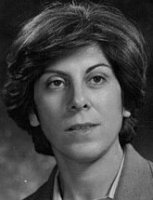
Parvaneh Eskandari was born on 20 March 1939 in Tehran. At the age of twelve, she was arrested for writing slogans on the wall of the Soviet Embassy in protest against the occupation of the Caucasus. She was the first woman to join the Central Council of the National Front of Iran.
Eskandari was a leader in the student movement and later in the Nation Party of Iran and the National Front of Iran. On 7 December 1960, she spoke at the first ceremony commemorating the killing of three University of Tehran students on 7 December 1955, declaring the day as Student Day. This event and her speech marked the first student movement in Iran since 1953. In February of the same year, following another speech at the university, she was arrested again. She was a political activist during the Pahlavi era and was imprisoned multiple times. In 1970, she was banned from teaching in high school.
In 1979, she ran for the National Consultative Assembly elections. At the beginning of 1980, following protests against election fraud, Parvaneh Forouhar and the Nation Party of Iran boycotted the second round of elections and did not participate in any further elections.
In the autumn of 1998, Parvaneh and Dariush Forouhar were killed in their home during the political murders known as the Chain Murders, suffering multiple stab wounds. The accused, who were employees of the Iranian Ministry of Intelligence, confessed that the murder was described as a "physical elimination" ordered by the Ministry of Intelligence and stated that it was part of their "organisational duties" carried out according to predetermined instructions and procedures.
Her daughter compiled her selected poems, which were published in 2000 in the book "Maybe One Day" by the Society of Iranians Publishing.
پروانه اسکندری، ۲۹ اسفند ۱۳۱۷ در تهران زاده شد. تنها دوازده سال داشت که به دنبال شعار نوشتن روی دیوار سفارت شوروی در اعتراض به اشغال قفقاز، بازداشت شد. او نخستین زنی بود که به عضویت شورای مرکزی جبهه ملی ایران درآمد.
وی از رهبران جنبش دانشجویی و سپس حزب ملت ایران و جبهه ملی ایران بود. پروانه اسکندری، ۱۶ آذر ۱۳۳۹، در نخستین مراسمی که به مناسبت کشته شدن سه دانشجو دانشگاه تهران در ۱۶ آذر ۱۳۳۴ برگزار شد، سخن راند و آن روز را روز دانشجو خواند. آن مراسم و آن سخنرانی، نخستین حرکت دانشجویی در ایران از ۱۳۳۲ بود. در بهمن همان سال و در پی سخنرانی دیگری در دانشگاه، بار دیگر بازداشت شد. او از فعالان سیاسی دوران پهلوی بود که بارها به زندان افتاد. وی در سال ۱۳۴۹ از تدریس در دبیرستان محروم شد.
او در سال ۱۳۵۸ نامزد انتخابات مجلس شورای ملی شد. در آغاز ۱۳۵۹ و در پی اعتراض به تقلب در انتخابات، پروانه فروهر و حزب ملت ایران، دور دوم انتخابات را تحریم کردند و دیگر در هیچ انتخاباتی شرکت نکرد.
پاییز ۱۳۷۷، پروانه و داریوش فروهر در خانه شان در جریان قتل های سیاسی موسوم به قتل های زنجیره ای با چندین ضربه چاقو کشته شدند. متهمان که از کارمندان وزارت اطلاعات ایران بودند، در اعتراف شان، قتل را «حذف فیزیکی» خوانده اند که از طرف وزارت اطلاعات به آنها ابلاغ شده و نوشته اند که جزو «وظایف سازمانی» آنان بوده است و بر اساس دستور و روال های از پیش مشخص شده عمل کرده اند.
دخترش ، شعرهای برگزیده او را گردآورد و ۱۳۷۹ در کتاب «شاید یک روز» از انتشارات جامعه ایرانیان به چاپ رساند.