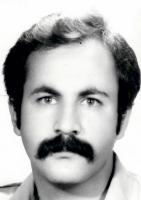
This story is told by the sister of Farshid Entezari Tattafi, one of the prisoners of Gohardasht Prison, who was hanged by agents of the Islamic government in 1988 while serving the seventh year of his tenyear sentence.
Farshid was born on January 21, 1955. He was a kindhearted young man who deeply cared about people living in poverty. When he worked as a site supervisor at a construction company, he always sat and ate with the workers, even though the company engineer constantly forbade him from doing so. After receiving his associate degree in industrial design, he went to complete his military service. He served from 1976 to 1978 in Zahedan and was deeply affected by the misery he witnessed among the local people. He often spoke about the hardships faced by the people of Baluchistan, especially the children.
After the 1979 revolution, he joined one of the political organizations. On April 9, 1981, when the organizations publication was still allowed to be printed, he was arrested at the printing location along with another associate. Government newspapers reported that this print shop was used to publish Paykar a newspaper banned at the time and that some drugs were discovered there. After a while, Farshid was tried and sentenced to one year in prison. However, in the summer of 1981, when the organization he supported was declared illegal, he was retried and sentenced to ten years in prison.
At that time, only his mother and father were allowed to visit him. After a few years, siblings over the age of 35 were also granted visitation rights.
During his time in prison, he only once spoke to our parents about torture. It was after a period during which prisoners had been banned from visits. The authorities brought the prisoners' families to a room and gave a lecture, asking them to advise their children not to trouble the prison guards. When visits resumed, my father told my brother what the guards had said. My brother replied, “We trouble them? I only talk about the smallest part of what they do to us.” He then described a day when a large number of prisoners were crammed into a completely dark room so tightly that they had to stand with no space to move. After some time, they began to hear the sound of dripping water, but due to the darkness and crowding, they couldnt figure out the source. Many prisoners fainted, and the others began shouting. Eventually, the guards opened the door. The prisoners didnt know how long they had been in that state, but once the door was opened, they realized that the water drops were actually their own sweat dripping from their completely soaked clothes onto the floor.
The last time our parents visited my brother was on July 16, 1988. Their next scheduled visit was on July 30 of the same year, but when they were on their way to the prison, they encountered closed roads blocked by security forces. They were told to go back home and that the authorities would contact them to schedule a visit. This same message was given to every family who tried to visit their loved ones in the following days.
Our parents tried very hard to get information, even going to Qom to see Ayatollah Montazeri. The grandson of Ayatollah Taleghani, who was one of my brothers cellmates, and Taleghanis daughter also tried hard to help. They visited the prosecutors office and everywhere they could, but to no avail. Finally, in late September, the authorities began contacting families one by one. Each family was called separately and asked to go to a certain location, where they were given a bag containing their childs belongings, with the explanation that it belonged to their executed child. My brother had 24 cellmates, and only two survived. Taleghanis grandson was also executed alongside my brother. Out of all these families, only one was given a grave number. We heard from others that a few were given such information, but the majority dont even know where their children are buried.
One of my brothers cellmates, who was later released and whom we visited, told us that Farshid was executed on the second day of the executions, which he said was July 31. However, we were not informed until December 7. We were the last family in that group to be told. None of the families were allowed to hold a funeral. Still, people came to express their condolences, and for at least twenty days many visited our home, especially other families who had lost loved ones in the executions. This continued for every family as they received news of their childs death.
On January 21, 1990, Farshids birthday, my family invited the other families we were in contact with to our home. Galindo Pohl, the UN human rights representative, was supposed to come to Iran, and my father had written him a letter explaining the situation of my brother and other prisoners. That night, after dinner, it was planned that whoever wished could sign the letter. During the gathering, someone rang the doorbell and said, “Is this your car? I hit it.” When my father went to the door, security agents entered and arrested all of us. They then went upstairs, which was actually my home, to make a phone call and request a van, since we wouldnt all fit in one vehicle. My husband, upon realizing what had happened, told them I had gone to help my mother and had two children, pleading with them not to take me. But they blindfolded all of us and put us in the van, taking us to an unknown location. I was released that same night, still blindfolded. My mother was held for three days. She said she constantly heard me screaming from the next room, which caused her extreme emotional distress.
Taleghanis daughter was released after two days. The other family members were released after three days, except my father and another father, who were taken to Evin Prison. My father was released after 21 days; the other father was imprisoned for a full year. In this way, the authorities broke the connections between families. Most families, fearing for their other children, asked my father to stop contacting them.
این داستان از زبان خواهر فرشید انتصاری تطفی از زندانیان گوهر دشت که در سال 1367 در هفتمین سال گذراندن محکومیت ده ساله خود به وسیله ماموران دولت اسلامی به دارآویخته شد میباشد.
فرشید در اول بهمن 1333 به دنیاآمد. پسر مهربانی بود که به مردمی که در محرومیت زندگی میکردند بسیار اهمیت میداد. زمانی که در یک شرکت ساختمانی به عنوان ناظر کارگاه کار میکرد همواره با کارگران همنشین بود و همراه آنان غذا میخورد با اینکه مهندس صاحب کار مداوما او را از این کار منع میکرد. او پس از گرفتن فوق دیپلم خود در رشته طراحی صنعتی به سربازی رفت. دوران سربازی خود را بین سالهای 1355 تا 1357 در زاهدان گذراند و از دیدن بدبختی های مردم بسیار متاثر میشد و همواره از سختی زندگی مردم بلوچستان بخصوص کودکان انجا سخن میگفت.
او بعد از انقلاب پنجاه و هفت به یکی از سازمان های سیاسی پیوست. دربیستم فروردین سال 1360 هنگامیکه نشریه این سازمان هنوز برای چاپ آزاد بود در محل چاپ نشریه به همراه یکی دیگر از همفکرانش بازداشت شد. در روزنامه های دولتی نوشتند که این چاپخانه روزنامه پیکار در ان زمان این روزنامه ممنوع النشر بود بوده و مقداری مواد مخدر هم کشف شده. پس ازمدتی فرشید را محاکمه و به یک سال زندان محکوم کردند ولی در تابستان سال 60 هنگامیکه فعالیت سازمانی که او هوادارش بود ممنوع اعلام شد او را دوباره محاکمه کردند و به ده سال حبس محکوم شد.
درآن زمان فقط مادر و پدر حق ملاقات داشتند. پس از چند سال به خواهر و برادر های بالای 35 سال هم اجازه ملاقات داده شد.
مدتی که او درزندان بود فقط یکبار راجع به شکنجه زندان به پدر و مادرم گفت و اون زمانی بود پس ار یکبار ممنوع الملاقات شدن زندانیان، خانواده های زندانیان را به جای ملاقات به اتاقی برده بودند و برای انها سخنرانی کرده بودند و از آنها خواسته بودند فرزندانشان را نصیحت کنند چون آنها سبب آزار زندان بانان میشوند و بعد به خانواده ها اجازه ملاقات داده بودند. پدرم در زمان ملاقات به برادرم در مورد شکایت و حرفهای زندان بان گفته بود و برادرم گفته بود: " ما آن ها را اذیت میکنیم؟ من فقط کوچکترین کاری را که آنها با ما میکنند میگم." و او سپس در مورد روزی گفته بود که تعداد زیادی از زندانیها را در یک اتاق کاملا تاریک کوچک کرده بودند به گونه ای که اتاق کاملا پر بود و زندانیان ایستاده و جای حرکت نداشتند. پس از گذشت مدتی آنها شروع به شنیدن قطرات آب میکنند ولی به دلیل تاریکی و جای محدود قادر نبودند که بدانند این آب از کجا میاید. خیلی از زندانیها ضعف میکنند و از حال میروند و دیگران سرو صدا راه میاندازند. مدتی سپری میشود تا زندان بانان در را باز میکنند. زندانیان نمیدانستند چند ساعت در این حال بوده اند ولی وقتی در باز میشود متوجه می شوند که قطرات آب در واقع عرق خود آنها بود که از لباس کاملا خیس آنها به زمین میافتاد.
آخرین روزی که پدر و مادرم برادرم را ملاقات کردند 25 تیر سال 1367 بود. ملاقات بعدی آنها در تاریخ 8 مرداد همان سال بود که زمانی که به سمت زندان میرفتند با راه های بسته مواجه شدند و نیروهای امنیتی راه به سمت زندان را بسته بودند. به پدر مادرم گفته شد برگردید و خودمان با شما تماس میگیریم که کی برای ملاقات بیایید. و این جوابی بود که در روزهای بعد به هر کدام از والدین که برای ملاقات میرفتند می دادند.
والدین خیلی تلاش کردند ولی جوابی نگرفتند و حتی پیش آیت الله منتظری به قم رفتند. نوه طالقانی از هم سلول های برادرم بود و دختر طالقانی بسیار تلاش میکرد. به دادسرا و هر جا که میتوانست میرفت ولی موفقیتی حاصل نمیشد تا اینکه در اواخر شهریور تماس تلفنی با خانواده ها شروع شد. به آنها تک تک و به شکل پراکنده تماس گرفته میشد و از آنها خواسته میشد تا به مکانی بروند و در آن مکان به آنها ساکی میدادند و میگفتند این وسایل فرزندتان است. این در مورد هم سلول های برادر من بود که 24 نفر بودند و فقط دو نفر از آنها زنده ماندند. نوه طالقانی هم همراه برادر من اعدام شد. از همه افراد هم سلول برادرم فقط به یک خانواده شماره قبر دادند و ما از دیگران شنیدیم که چند نفری شماره قبر گرفته اند ولی اکثر خانواده ها حتی نمیدانند که فرزندانشان در کجا دفن شده اند. یکی از هم سلولهای برادر من که از زندان بیرون آمد و ما به دیدارش رفتیم به ما گفت فرشید را در دومین روزی که اعدامها شروع شده بود اعدام کردند که به گفته او 9 مرداد بود ولی تلفنی که به ما شد روز 16 آذر بود ما آخرین خانواده در این گروه بودیم که به ما خبر دادند. هیچ یک از خانواده ها اجازه گرفتن مجلس ترحیم نداشتند البته مردم برای همدردی به خانه میا مدند و در خانه ما حداقل بیست روز افراد زیادی میامدند بخصوص خانواده هایی که فرزندانشان اعدام شده بود تقریبا هر شب آنجا بودند. این روال برای همه خانواده ها که خبر فرزند خود را میگرفتند ادامه داشت.
خانواده من دراول بهمن 1368 روز تولد برادرم خانواده هایی را که در تماس بودیم به خانه ما دعوت کردند. گالین دوپل نماینده حقوق بشر قرار بود به ایران بیاید و پدرم نامه ای به او نوشته بود و شرح برنامه های برادرم و دیگر زندانیان را داده بود. شبی که با خانواده ها به منزل پدرم آمدند قرار بود هرکه دوست داشت نامه را امضا کند. ان شب بعد از خوردن شام کسی زنگ در را زد و گفت این ماشین مال شماست؟ من به این ماشین زده ام. پدرم به دم در رفت و ماموران امنیتی وارد شده و به بالا آمدند و همه ما را دستگیر کردند سپس به طبقه بالای خانه که در واقع منزل من بود رفتند تا تلفن کنند وتقاضای فرستادن ماشین ون کنند. چون تعداد زیاد بود و در یک ماشین جا نمیشدیم. اینجا بود که همسر من از قضیه با خبر شد و به ماموران گفته بود که همسر من رفته به مادرش کمک کند. او دو بچه دارد او را نبرید. ولی انها همه ما را چشم بسته داخل ماشین کردند و به مکانی که نمیدانم کجا بود بردند. من را همان شب به خانه برگرداندند. تمام مدت چشم من بسته بود. مادرم را سه روز نگه داشتند و او میگفت مرتب از اتاق بغل صدای داد و فریاد تو را میشنیدم و به همین خاطر خیلی تحت فشار روحی بوده و داد و فریاد میکرده. دختر طالقانی را بعد از دو روز آزاد کردند ودیگر افراد خانواده ها را پس از سه روز آزاد کردند فقط پدر من و یکی از پدران را به زندان اوین بردند. پدرم پس از 21 روز آزاد کردند وپدر دیگر را یکسال در زندان نگاه داشتند. به این ترتیب ارتباط خانواده ها را قطع کردند. بیشتر خانواده ها بعد ار این ماجرا بخاطر فرزندان دیگرشان از پدر من خواستند که دیگر با آنها تماس نگیرد.