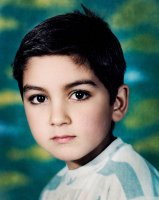
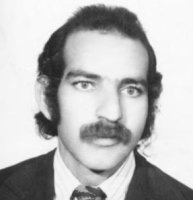
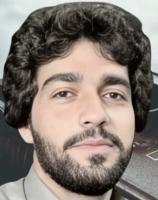
Karun Hajizadeh and his father, Hamid Hajizadeh, a poet, writer, and teacher from Kerman, were victims of the chain murders in Iran. Karun Hajizadeh was born in 1989 in Kerman and was killed alongside his father at their home in Goldasht, Kerman, on 22 September 1998. At the time of his death, he was just 9 years old. Reports indicate that Karun was killed with 10 stab wounds, while his father, Hamid, suffered 27 stab wounds.
The chain murders refer to a series of disappearances and extrajudicial killings of writers and political dissidents in the 1990s. In January 1999, the Ministry of Intelligence attributed responsibility for four such murders to a rogue group within the ministry. However, independent investigations revealed that the elimination of dissidents had been an official policy of the Ministry of Intelligence of the Islamic Republic for over a decade.
The names of Hamid and Karun Hajizadeh were first mentioned as victims of the chain murders in February 2000. In January 2000, a United Nations special rapporteur called for an investigation into the murder of more than 50 political dissidents.
Official authorities never formally accepted responsibility for these murders, and the Hajizadeh family was not informed of the results of the investigations by Kerman officials. In December 1998, with the murder of Dariush and Parvaneh Forouhar and others, the case of the chain murders was opened, but the Hajizadeh family's efforts to investigate the murder remained fruitless.
According to close associates, Hamid Hajizadeh had informed some family members about threats he received and had transferred some of his writings to a relative's home. The Hajizadeh family publicly expressed their protests and statements, highlighting contradictions in officials' remarks and the security and social pressures they faced.
Years after the murder of Karun and his father, the family is still not permitted to hold anniversary ceremonies. The Hajizadeh family believes they have been denied justice and have drawn public attention to fundamental contradictions in the statements of the case's officials.
کارون حاجی زاده و پدرش حمید حاجی زاده، شاعر، نویسنده و معلم کرمانی، از قربانیان قتل های زنجیره ای در ایران بودند. کارون حاجی زاده در سال ۱۳۶۸ در کرمان به دنیا آمد و در ۳۱ شهریور ۱۳۷۷ به همراه پدرش در منزل شان در گلدشت کرمان به قتل رسید. او به هنگام مرگ ۹ سال داشت. طبق گزارش ها، کارون با ۱۰ ضربه چاقو و پدرش حمید با ۲۷ ضربه چاقو کشته شدند.
قتل های زنجیره ای به مجموعه ای از ناپدید شدن ها و قتل های فراقضایی نویسندگان و دگراندیشان سیاسی در دهه هفتاد شمسی اشاره دارد. در دی ماه ۱۳۷۷، وزارت اطلاعات مسئولیت چهار قتل از این نوع را به گروهی خودسر در این وزارتخانه نسبت داد. با این حال، تحقیقات مستقل نشان داد که حذف دگراندیشان بیش از یک دهه سیاست رسمی وزارت اطلاعات جمهوری اسلامی بوده است.
نام حمید حاجی زاده و کارون برای نخستین بار در بهمن ۱۳۷۸ به عنوان قربانیان قتل های زنجیره ای ذکر شد. گزارشگر ویژه سازمان ملل در دی ۱۳۷۸ خواستار رسیدگی به قتل بیش از ۵۰ نفر از دگراندیشان سیاسی شد.
مقامات رسمی هیچگاه مسئولیت این قتل را به طور رسمی قبول نکردند و خانواده حاجی زاده از نتیجه تحقیقات مقامات کرمان آگاه نشدند. در آذر ۱۳۷۷، با قتل داریوش و پروانه فروهر و دیگران، پرونده قتل های زنجیره ای گشوده شد، اما پیگیری های خانواده حاجی زاده برای بررسی قتل بدون نتیجه ماند.
به گفته نزدیکان، حمید حاجی زاده برخی از اعضای خانواده اش را از تهدید خود مطلع کرده بود و بخشی از نوشته هایش را به منزل یکی از خویشان انتقال داده بود. خانواده حاجی زاده اعتراض ها و اظهارات خود را به صورت عمومی منتشر کرده و به تناقضات اظهارات مسئولان و فشارهای امنیتی و اجتماعی اشاره کرده اند.
با گذشت سال ها از قتل کارون و پدرش، هنوز هم اجازه برگزاری مراسم سالگرد به خانواده داده نمی شود. خانواده حاجی زاده بر این باورند که از رسیدن به عدالت محروم شده اند و توجه عموم را به تناقضات اساسی در اظهارات مسئولان پرونده جلب کرده اند.