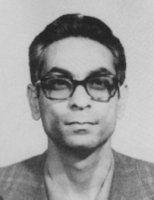
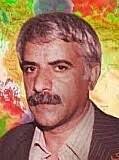
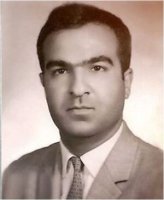
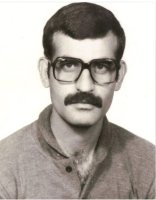
Iraj Farhomand was born in Tehran and pursued his education at the Technical Faculty of Tehran after completing his diploma. He was a distinguished student and received a government scholarship to study in the United States. Farhomand earned a doctorate in civil engineering from the University of California, Berkeley, and was recognised as one of the most talented graduates in his field. He was also a prominent expert in seismology and its effects on nuclear power plants.
During his student years, Farhomand became acquainted with the Confederation and became an active supporter of the student movement. He later moved to France, where he worked in the field of nuclear power plants. While in Paris, he maintained his connection with the student movement and joined a revolutionary organisation. Despite the sometimes tumultuous atmosphere of the Confederation, he adhered to principles of secrecy and managed to return to Iran, where he taught at the Technical Faculty of the University of Tehran. He also maintained contact with the leadership of the revolutionary organisation within the country. His public life and clandestine activities continued for two years. During a crackdown by the Shah's regime on the organisation, which resulted in the death of Parviz Vaezzadeh, Farhomand was arrested and imprisoned. His spouse was also detained.
On the eve of the 1979 revolution, he rejoined the organisation and became an active member of the Party of Labourers. With the onset of the Iran-Iraq war, Farhomand was among the first to go to the front lines, where he fought until the summer of 1981. During intense fighting in Dehloran, he utilised his scientific expertise to construct a bridge capable of supporting the weight of Iranian tanks, which contributed to the recapture of the area.
Despite his services and sacrifices, when the Islamic Republic regime targeted the Party of Labourers, Iraj Farhomand was arrested. He was detained again after visiting his sister's home. Shortly after his arrest, the Islamic Republic contacted the French government to request a specialist to assess the Bushehr nuclear power plant. The French government responded that one of the leading experts in the field, Dr Iraj Farhomand, was already in Iran. However, before receiving this letter, the Islamic Republic had executed Iraj Farhomand.
ایرج فرهومند در تهران متولد شد و پس از اخذ دیپلم، در دانشکده فنی تهران به تحصیل پرداخت. او از شاگردان ممتاز این دانشگاه بود و با بورس دولتی به آمریکا رفت. او در رشته راه و ساختمان در دانشگاه کالیفرنیا در برکلی درجه دکترا گرفت و به عنوان یکی از با استعدادترین فارغ التحصیلان رشته خود شناخته می شد. ایرج همچنین یکی از کارشناسان برجسته جهان در زمینه زلزله شناسی و تأثیرات آن بر نیروگاه های هسته ای بود.
فرهومند در دوران دانشجویی با کنفدراسیون آشنا شد و به یکی از هواداران فعال جنبش دانشجویی تبدیل شد. او سپس به فرانسه رفت و در زمینه نیروگاه های اتمی به کار پرداخت. او در پاریس رابطه خود را با جنبش دانشجویی حفظ کرد و به یک سازمان انقلابی پیوست. ایرج به رغم فضای گاه جنجالی کنفدراسیون، اصول مخفی کاری را رعایت می کرد و توانست به ایران بازگردد و در دانشکده فنی دانشگاه تهران به تدریس مشغول شود. او همچنین با رهبری سازمان انقلابی در داخل کشور در ارتباط بود. زندگی علنی و مبارزه مخفی او دو سال ادامه داشت. در جریان ضربه رژیم شاه به سازمان و کشته شدن پرویز واعظ زاده، ایرج نیز دستگیر و زندانی شد. همسر فرهومند نیز دستگیر شد.
در آستانه انقلاب ۱۳۵۷، او دوباره به سازمان پیوست و سپس به یکی از فعالین حزب رنجبران تبدیل شد. با شروع جنگ ایران و عراق، فرهومند از نخستین کسانی بود که به جبهه رفت و تا تابستان ۱۳۶۰ آنجا جنگید. در درگیری شدیدی که در دهلران جریان داشت، ایرج توانست با تکیه بر تجربیات علمی خود، پلی بسازد که توانایی تحمل وزن تانک های ایرانی را داشته باشد و این عمل باعث شد که آن منطقه بازپس گرفته شود.
با وجود این خدمات و فداکاری ها، وقتی رژیم جمهوری اسلامی به حزب رنجبران یورش برد، ایرج فرهومند نیز دستگیر شد. او پس از مدتی به قصد دیدار خواهرش به منزل او رفت و در آنجا دستگیر شد. مدتی بعد از دستگیری فرهومند، رژیم جمهوری اسلامی با دولت فرانسه تماس گرفت تا متخصصی را برای بررسی ساختمان نیروگاه اتمی بوشهر به ایران بفرستند. دولت فرانسه پاسخ داد که یکی از برجسته ترین متخصصان این رشته، دکتر ایرج فرهومند، در ایران به سر می برد. جمهوری اسلامی پیش از دریافت این نامه، ایرج فرهومند را اعدام کرده بود.