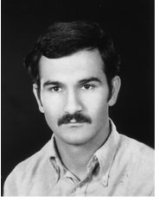
محمد پس از اتمام دبیرستان برای ادامه تحصیل به ایالات متحده سفر کرد و در رشته مهندسی عمران از دانشگاه علوم و فناوری میزوری در رولا فارغ التحصیل شد. او در کنفدراسیون دانشجویان ایرانی در آمریکا فعال بود و به "محمد رولا" معروف شد. فعالیت های سیاسی او عمدتاً در منطقه غرب میانه ایالات متحده و به ویژه در شیکاگو متمرکز بود. علاوه بر فعالیت هایش در کنفدراسیون، او عضو یک سلول مخفی کمونیستی از اتحادیه کمونیست بود. او به عنوان سازمان دهنده در فعالیت های اعتراضی کنفدراسیون شرکت داشت و در جلسات "بحث آزاد" حضور می یافت. در زمان دستگیری، محمد سرپرست اتحادیه کمونیست در شهر مسجد سلیمان بود. در سال ۱۹۷۹، او به ایران بازگشت و به فعالیت های خود در شاخه فارس اتحادیه کمونیست ادامه داد. در سال ۱۹۸۰، جنبش های دهقانی در فارس به اوج خود رسید و محمد یکی از چهره های شناخته شده این جنبش ها بود. او در زندان های کازرون، مسجد سلیمان و اهواز زندانی شد و در سال ۱۹۸۳ برای اعدام از زندان برده شد. تاریخ دقیق اعدام او نامشخص است. به گفته هم سلولی هایش، در روزهای پایانی، او وسایل خود را مرتب کرد و اقلامی مانند پیراهن و شلوار را به دیگر زندانیان داد. حتی ساعت خود را نیز بخشید. شاید تنها لباس های زیر او باقی مانده بود که به درد کسی نمی خورد. او این ها را شست و به طور مرتب در کیف خود قرار داد. گفته شده که وقتی کسی اعدام می شود، وسایل باقی مانده او به خانواده اش داده می شود. محمد به این فکر کرده بود که خانواده اش هنگام باز کردن کیف او پس از اعدام و دیدن نظم و تمیزی او چه احساسی خواهند داشت. او می خواست به این طریق روحیه بالای خود در فدا کردن زندگی اش برای آرمانش را به خانواده اش منتقل کند.
After completing high school, he travelled to the United States for further studies and graduated in civil engineering from the Missouri University of Science and Technology in Rolla. While active in the Confederation of Iranian Students in America, he became known as "Mohammad of Rolla." His political activities were concentrated in the Midwest of the United States, particularly in Chicago. In addition to his activities in the Confederation, he was a member of a secret communist cell of the Communist Union. He was an organiser in the Confederation's protest activities and participated in "open discussion" sessions. At the time of his arrest, Mohammad was the head of the Communist Union in the city of Masjed Soleyman. In 1979, he returned to Iran in connection with the Communist Union's organisation and continued his activities in the Fars branch of the Communist Union. In 1980, the peasant movements in Fars reached their peak, and Mohammad was one of the well-known figures of these movements. He was imprisoned in the prisons of Kazeroon, Masjed Soleyman, and Ahvaz, and in 1983, he was taken from prison for execution. The exact date of his execution is unknown. According to his cellmates, in his final days, he organised his belongings and gave away items that could be useful to others, like shirts and pants, to the other inmates. He even gave away his watch. Perhaps only his undergarments remained, which were of no use to anyone. He washed these and folded them neatly in his bag. It was noted that when someone is executed, their remaining belongings are given to their family. Mohammad had considered how his family would feel when they opened his bag after his execution and saw his neatness and cleanliness. He wanted to convey his high spirits in sacrificing his life for his cause to his family in this way.
More people in Ahvaz, Executed
History:
1983-06-19
Help Complete This Report with Your Input

Once you submit your report, we carefully review and publish it as the latest verified update on the detainee's case, ensuring that their situation remains visible, documented, and accessible to the public. By keeping accurate and up to date information online, Witness Report helps prevent cases from being forgotten, strengthens public awareness, and reinforces accountability. This process offers reassurance that your loved one's story continues to be seen, acknowledged, and remembered.
Media
Thank You
Get Involved
© 2022-2026 Witness Report Incorporated. Established 2022. All rights reserved.