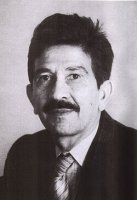
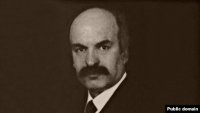
Ahmad Tafazzoli, a linguist and professor of ancient languages at the University of Tehran, was one of the victims of the chain murders of dissidents during the 1990s. A team from within the Ministry of Intelligence of the Islamic Republic was responsible for the murder of dozens of writers, intellectuals, and dissidents from the second decade of the revolution onwards. The Ministry of Intelligence only acknowledged responsibility for the murder of four intellectuals and dissidents, although the number of victims was significantly higher.
The history of these murders dates back to 1988 with the killing of Dr. Kazem Sami in his clinic. Following the publication of a text by 134 individuals titled "We Are Writers", the murder of Ahmad Miralai, the airing of the "Hoviat" program on the Islamic Republic's television, and the abduction of Faraj Sarkouhi, the killings of dissidents accelerated in 1996. In November of that year, Ghafar Hosseini, a writer and university lecturer and a member of the Iranian Writers' Association, was murdered. Two months later, Dr. Ahmad Tafazzoli, a linguist and university professor, was killed on his way home. Reports indicated that on 13 January 1997, Dr. Ahmad Tafazzoli disappeared around 2 PM near his home in Shemiran while driving from the university. Around 9 PM, patrol officers from the Bagh Feiz police station found his body next to his car. One of his legs was broken in several places, but the cause of death was declared to be a head injury.
Less than two weeks later, Ebrahim Zalzadeh, a writer and publisher, went missing, and about a month later, his body was found. Ebrahim Zalzadeh had been killed with multiple stab wounds. Before his death, he had reported pressures and threats from security agents. It is believed that his open critical letter addressed to Akbar Hashemi Rafsanjani was among the reasons for his murder.
Ahmad Tafazzoli, apart from his expertise in Persian, was well-versed in Arabic and had complete mastery of English, French, and German. He also knew Russian to the extent needed for his studies. His works include the translation of "The First Man and the First King in the Legendary History of Iran" in two volumes by Arthur Christensen (in collaboration with Zhaleh Amoozgar), the translation of "Understanding Iranian Myths" by John Hinnells, and the authorship of "The History of Iranian Literature Before Islam", which received the Book of the Year award.
Ehsan Yarshater, in a conversation with Mandana Zandian, referred to Ahmad Tafazzoli as part of the next generation of students who had learned Iranian studies and ancient languages. Mohsen Abolghasemi, Ahmad Tafazzoli, Zhaleh Amoozgar, Yadollah Samareh, Badrolzaman Gharib, Mohammad Reza Bateni, Stefan Panousi, and Ali Ashraf Sadeghi were other scholars and linguists of this generation who, like Ahmad Tafazzoli, were recognised as prominent figures in academic circles in Iran and worldwide.
Ahmad Tafazzoli officially joined the faculty of the Faculty of Literature at the University of Tehran as an assistant professor of culture and ancient languages in 1968 and achieved the rank of professor in 1978. In the last ten years of his service at the University of Tehran, he also headed the foreign students' section of the Faculty of Literature. From 1991, he became a permanent member of the Academy of Persian Language and Literature and from 1994, he held the position of scientific and research deputy of the academy. Ultimately, he passed away on the evening of 13 January 1997.
احمد تفضلی، زبان شناس و استاد زبان های باستانی دانشگاه تهران یکی از قربانیان قتل های زنجیره ای دگراندیشان در سال های دهه ۱۳۷۰ است.
احمد تفضلی، زبانشناس فقید و یکی از قربانیان قتل های زنجیره ای
تیمی از درون وزارت اطلاعات جمهوری اسلامی از دهه دوم انقلاب به این سو، دهها نویسنده، روشنفکر و دگراندیش را به قتل رساندند. وزارت اطلاعات فقط قتل چهار روشنفکر و دگراندیش را به عهده گرفت اما تعداد قربانیان بسیار بیشتر از چهار نفر است.
سابقه این قتل ها به سال ۱۳۶۷ و قتل دکتر کاظم سامی در مطبش می رسد. پس از انتشار متن ۱۳۴ نفر با عنوان «ما نویسنده ایم» و قتل احمد میرعلایی و پخش برنامه هویت از سیمای جمهوری اسلامی و با ربودن فرج سرکوهی، در سال ۱۳۷۵ قتل دگراندیشان شتاب گرفت. در آبان همان سال غفار حسینی، نویسنده و مدرس دانشگاه و از اعضای کانون نویسندگان ایران به قتل رسید. دو ماه بعد دکتر احمد تفضلی، زبان شناس و استاد دانشگاه در راه خانه اش کشته شد. در خبرها آمده بود:
دکتر احمد تفضلی در روز ۲۴ دی ۱۳۷۵ هنگامی که با اتوموبیل خود از دانشگاه به خانه اش می رفت، حدود ساعت ۲ بعد از ظهر نزدیک خانه اش در شمیران ناپدید شد. حدود ساعت ۹ شب مأموران گشت پاسگاه انتظامی باغ فیض جسد او را در کنار اتوموبیل اش چیدا کردند. یک پای او از چند جا شکسته بود اما علت مرگ اصابت ضربه مغزی اعلام شد.
آگهی
کمتر از دو هفته بعد ابراهیم زال زاده، نویسنده و ناشر گم شد و حدود یک ماه بعد جنازه او را پیدا کردند. ابراهیم زال زاده با ضربات متعدد چاقو به قتل رسیده بود. او پیش از مرگش از فشارها و تهدیدهای مأموران امنیتی خبر داده بود. تصور می شود که نامه سرگشاده انتقادی او خطاب به اکبر هاشمی رفسنجانی از دلایل قتل او بوده است.
احمد تفضلی جدا از تبحر در زبان فارسی با زبان عربی به خوبی آشنا بود و به زبان های انگلیسی، فرانسه و آلمانی تسلط کامل داشت. زبان روسی را نیز به اندازه ای که در مطالعاتش به آن نیاز داشت، می دانست. ترجمه «نمونه های نخستین انسان و نخستین شهریار در تاریخ افسانه ای ایران» در دو مجلد نوشته آرتور کریستن سن (با همکاری ژاله آموزگار) و ترجمه «شناخت اساطیر ایران» جان هینلز و همچنین تألیف تاریخ «ادبیات ایران پیش از اسلام» از آثار متعددی است که از او باقی مانده است. این آخری جایزه کتاب سال را دریافت کرده است.
احسان یارشاطر در گفت وگو با ماندانا زندیان از احمد تفضلی به عنوان نسل بعدی دانشجویانی که دانش ایران شناسی و زبان های باستانی را آموخته بودند یاد می کند. محسن ابوالقاسمی، احمد تفضلی، ژاله آموزگار، یدالله ثمره، بدرالزمان قریب، محمدرضا باطنی، استفان پانوسی و علی اشرف صادقی از سایر استادان ایران شناس و زبان شناس در این نسل بودند که مانند احمد تفضلی در محافل علمی ایران و جهان به عنوان شخصیت هایی صاحب نام شناخته شده بودند.
احمد تفضلی در سال ۱۳۴۷ با سمت استادیار فرهنگ و زبان های باستانی به طور رسمی به هیأت علمی دانشکده ادبیات دانشگاه تهران پیوست و در سال ۱۳۵۷ به رتبه استادی نائل شد. در ده سال پایانی خدمتش در دانشگاه تهران، ریاست بخش دانشجویان خارجی دانشکده ادبیات را نیز برعهده داشت. از سال ۱۳۷۰ به عضویت پیوسته فرهنگستان زبان و ادب فارسی درآمد و از سال ۱۳۷۳ معاونت علمی و پژوهشی فرهنگستان را نیز بر عهده داشت. سرانجام، در شامگاه ۲۴ دی ۱۳۷۵ خاموش شد.