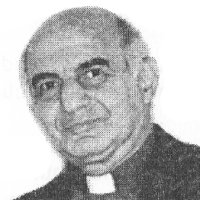
Tataus Mikaelian, who served as the head of the Council of Protestant Ministers, is remembered as one of the victims of the chain murders of the 1990s.
He was born in Tehran in 1932. In 1953, he obtained a bachelor's degree in law from the University of Tehran and completed a theology course at the Near East School of Theology in Beirut in 1974. Mikaelian was a co-founder of the Jama'at-e Rabbani Church and worked as a teacher, deputy director, and director at the "Gohar" school affiliated with the Armenian Evangelical Church.
In 1970, Mikaelian took on the responsibility and management of the "Bible Society of Iran" and later served as the executive secretary of the Council of Evangelical Churches of Iran. In 1990, he was invited by the leadership board of the Armenian Evangelical Church to assume pastoral duties, a position he held until his death. During this period, he translated approximately 60 religious and ethical books, including titles such as "The Secret of Joy," "The Way of the Cross," "You Will Be My Witnesses," "The Nature and Mission of the Church," "Introduction to the New Testament," "Protestant Theology Guide," and "Philosophy and Christian Faith."
On 29 June 1994, six months after the murder of Pastor Haik Hovsepian-Mehr, Pastor Tataus Mikaelian disappeared after leaving his home in Tehran. His body was discovered on 2 July 1994, having been shot multiple times in the head. His son was summoned to the coroner's office to identify the body. The murderers had placed a note on Mikaelian's body indicating the location of Pastor Mehdi Dibaj's body. Four years later, it was announced that Mehdi Dibaj had been killed by agents of the Ministry of Intelligence. Mikaelian's body was transferred from the coroner's office to the Armenian Evangelical Church in Tehran and was buried in the Armenian cemetery in Tehran.
In an article published in 1999 regarding the chain murders in the Islamic Republic, the names of Pastor Dibaj and Pastor Mikaelian appeared among a list of 34 murders attributed to the Ministry of Intelligence during the tenure of Saeed Emami. The then-President mentioned in a 1999 newspaper that these murders were under investigation by the judiciary.
طاطاوس میکائیلیان رئیس شورای کشیشان پروتستان بود و از او به عنوان یکی از قربانیان قتل های زنجیره ای دهه ۱۹۹۰ میلادی یاد می شود.
زندگی نامه
وی در سال ۱۹۳۲ میلادی (۱۳۱۱ خورشیدی) در تهران به دنیا آمد. در سال ۱۹۵۳ (۱۳۳۲) مدرک لیسانس در رشتهٔ حقوق از دانشگاه تهران دریافت کرد و در سال ۱۹۷۴ (۱۳۵۳) دورهٔ الهیات دانشکدهٔ نست بیروت را گذراند. او یکی از بنیانگذاران کلیسای جماعت ربانی بود و در مدرسه «گوهر» وابسته به کلیسای انجیلی ارمنیان به عنوان معلم و معاون مدیر و مدیر فعالیت داشت.
کشیش طاطاوس میکائیلیان در سال ۱۳۴۹ (۱۹۷۰) مسئولیت و مدیریت «انجمن کتاب مقدس ایران» را برعهده گرفت و سپس به عنوان دبیر اجرایی شورای کلیسای انجیلی ایران خدمت کرد.
وی در سال ۱۹۹۰ (۱۳۶۹) با دعوت هیئت رهبران کلیسای انجیلی ارمنیان مسئولیت شبانی این کلیسا را برعهده گرفت و تا زمان کشته شدنش در این سمت باقی ماند. در این مدت، حدود ۶۰ کتاب مذهبی و اخلاقی را ترجمه کرد که از آن جمله می توان به «راز شادمان»، «راه صلیب»، «شما شاهدان من خواهید بود»، «ماهیت و مأموریت کلیسا»، «معرفی عهد جدید»، «راهنمای الهیات پروتستان» و «فلسفه و ایمان مسیحی» اشاره کرد.
قتل میکائیلیان
در ۲۹ ژوئن ۱۹۹۴ (تیرماه ۱۳۷۳)، شش ماه پس از قتل کشیش هایک هوسپیان مهر، کشیش طاطاوس میکائیلیان، رئیس شورای کشیشان پروتستان، پس از ترک خانه در تهران ناپدید شد. جسد وی در ۱۱ تیرماه همان سال در حالی که با اصابت چند گلوله به سرش کشته شده بود پیدا شد. در تاریخ ۲ ژوئیه ۱۹۹۴، پسرش برای شناسایی جسد او به پزشکی قانونی احضار شد. قاتلان روی جنازه کشیش میکائیلیان بر تکه کاغذی نشانی جسد کشیش مهدی دیباج را قرار داده بودند. چهار سال بعد اعلام شد که مهدی دیباج توسط مأموران وزارت اطلاعات کشته شده است. پیکر وی از پزشکی قانونی به کلیسای انجیلی ارمنیان تهران منتقل و در گورستان ارمنیان تهران به خاک سپرده شد.
علت و عاملان قتل
در مقاله ای که در مورد قتل های زنجیره ای در جمهوری اسلامی در سال ۱۹۹۹ (۲۱ اسفند ۱۳۷۸) منتشر شد، نام کشیش دیباج و کشیش میکائیلیان در میان فهرست ۳۴ مورد قتل که توسط وزارت اطلاعات و در دوران سعید امامی صورت گرفته دیده می شود و رئیس جمهور وقت نیز در روزنامه همشهری ۱۹۹۹ (۵ آذر ۱۳۷۸) به این که این مجموعه قتل ها در قوه قضاییه در دست بررسی است اشاره کرده است.