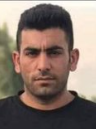
On Monday, April 1, 2024, Jaber Sokhravi, born in 1986, a master's degree graduate in computer science from Alavi neighborhood in Ahvaz, Khuzestan Province, and a political-security prisoner held in the central Sheiban prison in Ahvaz, is in the ninth year of his 12-year sentence, having been deprived of medical care and other civil rights.
An informed source stated that the conditions of Jaber Sokhravi's detention are very poor, and even his cellmates have expressed dissatisfaction with their room's condition. Jaber Sokhravi, who suffers from multiple sclerosis, kidney issues, stomach problems, urinary tract pain and burning, neurological and psychological problems, and has had a stroke, is denied access to specialized medical facilities outside the prison. His treatment is limited to being sent to the prison infirmary and receiving basic medication, and he has not been sent for specialized examinations by an external doctor for over a year.
The source further mentioned that Mr. Sokhravi has repeatedly clashed with his cellmates due to neurological issues, and according to the prison infirmary doctor, he needs to be sent to a counseling center for psychiatric evaluations. He has also been using sedatives for some time.
It is worth mentioning that Jaber Sokhravi was arrested on March 24, 2015, while walking in one of the streets of Ahvaz by intelligence officers. After being taken to his home, where some personal items such as books and a mobile phone were searched and confiscated, he was transferred to the detention center of the Khuzestan Province Intelligence Department. Deprived of access to a lawyer and other civil rights, he was interrogated and subjected to various forms of physical and psychological torture for three months before being transferred to the Karun prison in Ahvaz on June 17, 2015, due to the deterioration of his physical condition.
During the interrogation phase, Jaber Sokhravi was charged by the investigator of the Public and Revolutionary Prosecutor's Office in Ahvaz, and his indictment was referred to the Revolutionary Court in Ahvaz.
In the trial process, Jaber Sokhravi was tried by Judge Shabani, head of the Revolutionary Court in Ahvaz, on charges of enmity against God through carrying and possessing explosives and propaganda activities against the regime. He was sentenced to 14 years in prison for the first charge and six months for the second charge.
Following an appeal and referral of Jaber Sokhravi's case to Branch 16 of the Khuzestan Province Court of Appeals, he was tried by Judge Saeed Kosha, head of Branch 16 of the Court of Appeals, and his total sentence was reduced to 12 years and 5 months in late June 2016.
Regarding the charges against Jaber Sokhravi, it is important to note that during the interrogations, he was subjected to various forms of torture to extract forced confessions against himself, and the physical and psychological effects of this are still evident in him, more than nine years later. Such charges constitute a violation of human rights and are a clear example of torture.
*Translated on 2026-03-14*
به گزارش حقوق بشر در ایران، امروز دوشنبه ۱۳ فروردین ماه ۱۴۰۳، جابر صخراوی، متولد: ۱۳۶۵، دانش آموخته رشته کامپیوتر در مقطع کارشناسی ارشد، اهل کوى علوى اهواز واقع در استان خوزستان و زندانی سیاسی ـ امنیتی، محبوس در زندان شیبان مرکزی اهواز، در حالی نهمین سال از مجموع حبس تعزیری ۱۲ ساله خود را سپری می کند که از حق درمان و سایر حقوق شهروندی خود محروم شده است.
به نقل از یک فرد مطلع در گفتگو با گزارشگر حقوق بشر در ایران:”مکان نگهداری جابر صخراوی بسیار نامناسب است و حتی افراد هم بند وی هم از وضعیت اتاقشان ابراز نارضایتی کردند. جابر صخراوی با توجه به اینکه از بیماری ام اس، ناراحتی کلیه، ناراحتی معده، درد و سوزش مجاری ادرار، مشکلات اعصاب و روان، رد کردن سکته مغزی دارد از حق اعزام به مرکز درمانی تخصصی خارج از زندان محروم مانده و درمان وی فقط اعزام به بهداری زندان شیبان و تجویز داروهای ساده است ولی بیش از ۱ سال است که برای انجام معاینات تخصصی نزد پزشک متخصص خارج از زندان، اعزام نشده است.”
این فرد مطلع در ادامه افزود:”اقای صخراوی به دفعات در پی مشکلات اعصاب با افراد هم اتاق خود درگیر شده و بنا بر اعلام پزشک بهداری زندان، نیازمند اعزام به مرکز مشاوره و انجام معاینات روانپزشکی است و از چندی قبل هم داروهاى آرام بخش استفاده می کرد.”
لازم به اشاره است، جابر صخراوی، در تاریخ ۴ فروردین ماه ۱۳۹۴، هنگامی در یک از خیابانهای شهر اهواز در حال تردد بود توسط ماموران اداره اطلاعات، دستگیر و پس از انتقال به منزلش و تفتیش و توقیف برخی لوازم شخصی از قبیل چند جلد کتاب و گوشی تلفن همراه، به بازداشتگاه اداره کل اطلاعات استان خوزستان، منتقل و در حالی که از حق دسترسی به وکیل و سایر حقوق شهروندی خود محروم شده بود به مدت ۳ ماه در بازداشتگاه آن نهاد امنیتی مورد بازجویی و انواع شکنجه ای جسمی و روحی قرار گرفت و در تاریخ ۲۷ خرداد ماه ۱۳۹۴، با توجه به وخامت وضعیت جسمانی به زندان کارون اهواز، منتقل شد.
با آغاز مراحل بازپرسی، جابر صخراوی، توسط بازپرس شعبه دادسرای عمومی و انقلاب اهواز، تفهیم اتهام و کیفرخواست وی به دادگاه انقلاب اهواز، ارجاع شد.
جابر صخراوی، در مراحل دادرسی توسط قاضی شعبانی ـ رئیس شعبه دادگاه انقلاب اهواز، با اتهامات محاربه از طریق حمل و نگهداری مواد منفجره و فعالیت تبلیغی علیه نظام محاکمه و از بابت اتهام اول به تحمل ۱۴ سال حبس تعزیری و به اتهام دوم هم به تحمل ۶ ماه حبس تعزیری محکوم شده بود.
در پی اعتراض و ارجاع پرونده جابر صخراوی به شعبه ۱۶دادگاه تجدیدنظر استان خوزستان، وی از بابت اتهامات مذکور، توسط قاضی سعید کوشا ـ رئیس شعبه ۱۶دادگاه تجدیدنظر استان خوزستان، محاکمه و در پی کاهش مجموع محکومیت، اواخر خرداد ماه ۱۳۹۵، به تحمل ۱۲ سال و ۵ ماه حبس تعزیری محکوم شد.
در خصوص اتهام منتسب شده به جابر صخراوی، لازم به ذکر است؛ با توجه به اینکه وی، در دوران بازجویی ها تحت انواع شکنجه برای اخذ اعتراف اجباری بر علیه خود قرار گرفته و آثار فیزیکی و روحی آن علیرغم گذشت بیش از ۹ سال، همچنان در وی مشهود است تفهیم چنین اتهامی به وی به مثابه نقض حقوق بشر و مصداق بارز شکنجه است.