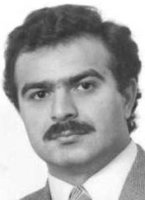
محمدتقی شهرام در سال ۱۳۴۷ در دانشکده علوم دانشگاه تهران ریاضیات خواند و به مبارزه پیوست و در ساری زندانی شد. او موفق شد با مقدار زیادی سلاح و مهمات از زندان ساری فرار کند. او به سرعت به مقام رهبری در سازمان مجاهدین خلق (PMOI) رسید، اما مارکسیست شده بود. در سال ۱۳۵۳، او مقاله ای ۱۰۰ صفحه ای با عنوان «بیایید پرچم مبارزه ایدئولوژیک را بالاتر ببریم» در یک نشریه داخلی منتشر کرد و مواضع سازمان را تغییر داد. از آن زمان به بعد، PMOI به عنوان مارکسیست اسلامی شناخته شد. شهرام، اولین رهبر سازمان پس از انقلاب، در ۱۱ تیرماه ۱۳۵۸ توسط نیروهای جمهوری اسلامی دستگیرشد و پس از تحمل یکسال زندان به اعدام محکوم شد. محاکمه او چهار روز به طول انجامید. وی دربامداد دوم مرداد ۱۳۵۹ تیرباران شد. او ابتدا در قطعه ۴۱ بهشت زهرا در تهران به خاک سپرده شد. با این حال، به دلیل پیشینه مارکسیستی و حساسیت های شدیدش، قبرش پس از مدت کوتاهی شبانه نبش قبر شد و جسدش به قبرستان خاوران در شرق تهران منتقل گردید.
1980-06-26
Mohammad Taghi Shahram studied mathematics at the Faculty of Sciences, University of Tehran, in 1968 and joined the struggle, leading to his imprisonment in Sari. He managed to escape from Sari prison with a significant amount of weapons and ammunition. Shahram quickly rose to a leadership position within the People's Mojahedin Organization of Iran (PMOI), having adopted Marxist beliefs. In 1974, he published a 100-page article titled "Let Us Raise the Flag of Ideological Struggle Higher" in an internal publication, altering the organization's positions. From that point, the PMOI became known as Islamic Marxists. Shahram, the first leader of the organization after the revolution, was arrested by the forces of the Islamic Republic on 2 July 1979. After enduring one year of imprisonment, he was sentenced to execution. His trial lasted four days. He was executed by firing squad on 24 July 1980. Initially, he was buried in Section 41 of Behesht Zahra Cemetery in Tehran. However, due to his Marxist background and the associated sensitivities, his grave was exhumed shortly thereafter, and his body was relocated to Khavaran Cemetery in eastern Tehran.
More Info
- Burial Place
- Tehran - Khavaran
More people in Tehran, Executed

Help Complete This Report with Your Input

Once you submit your report, we carefully review and publish it as the latest verified update on the detainee's case, ensuring that their situation remains visible, documented, and accessible to the public. By keeping accurate and up to date information online, Witness Report helps prevent cases from being forgotten, strengthens public awareness, and reinforces accountability. This process offers reassurance that your loved one's story continues to be seen, acknowledged, and remembered.
Media
Thank You
Get Involved
© 2022-2026 Witness Report Incorporated. Established 2022. All rights reserved.