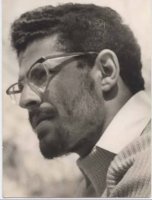
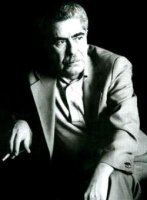
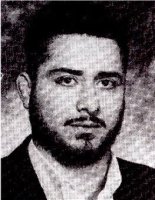
Due to severe poverty, an individual was persuaded by a friend to visit the Embassy of the Islamic Republic, requesting permission to return to a normal life and resume teaching at university in exchange for remaining completely silent on political matters.
Upon returning to Tehran, Ghafar Hosseini wrote a 17-page letter to a friend, describing the respectful reception by Ministry of Intelligence officials at a "hotel" and the conditions set for quietly teaching at the university.
However, this was not the end of Ghafar Hosseini's interactions with the "polite" officials of the Ministry of Intelligence. Interrogations and meetings continued under pressure and insistence from the "Ministry." Seeking to escape the bitter memories of a difficult life in Paris, Hosseini reportedly travelled north before student gatherings to avoid any association with these protests.
Hosseini's connection with Ministry of Intelligence officials ultimately led to him being the sole victim of the "Armenia bus" incident. Although he was not a passenger, he had warned several members of the Writers' Association to avoid the trip.
Writers and journalists, including Mohammad Ali Sepanlou, Faraj Sarkouhi, and Mansour Koushan, later revealed that Hosseini had privately advised them against boarding the Armenia bus, warning of a potential fall into a ravine.
This fate had been planned by Saeed Emami's group for 21 members of the Writers' Association in August 1996, but it was not realised due to the inexperience of the intelligence driver.
It remains unclear what the author of the critique of Bahram Beyzai's "Death of Yazdgerd" heard during repeated interrogations at the "hotel" that he could not fully disclose to his companions. Despite this, the association members did not heed his warnings and nearly faced disaster, though they did not fall into the ravine.
Hosseini's death in a modest apartment on Mirdamad Street in Tehran likely occurred due to the disclosure of this scenario. Notably, apart from two or three passengers of the "Armenia bus" who later died of natural causes, no one else was harmed. Only Ghafar Hosseini was killed in November 1996, three months after the incident, despite exercising extreme caution in political activities.
Furthermore, Hosseini was the only one aware of the Ministry of Intelligence's plan for the Armenia bus, as confirmed by Writers' Association members.
The plan for Hosseini's murder was meticulously crafted. His close friend, Naser Shahinfar, recounted that Hosseini had spoken to "one of the foreign radios" after the failed "Armenia bus" scenario, revealing government involvement in the incident.
When Naser and Hosseini's former wife, Farangis, investigated the identity of this "foreign radio" after his death, they found no trace. According to Naser, a tape of this interview was later discovered in the Ministry of Intelligence's files, leading Hosseini's family to conclude that the "interview" was fabricated by the Ministry to entrap him.
On the day of the incident, five agents in a white Benz entered the alley where Hosseini resided on Mirdamad Street and asked a local shopkeeper for his house number.
In response to the shopkeeper's query about their intentions, they claimed they were interested in purchasing the house, which Hosseini was renting.
When Farangis arrived at the scene hours after Hosseini's death, she found a blood-soaked room with his body left on the bed and several wounds on his face and hands, indicating his resistance against the injection of potassium by the agents.
به دلیل همین فقر شدید، با اصرار شدید دوستش به سفارت جمهوری اسلامی رفته و از مسئولان آن می خواهد که اجازه دهند در برابر اختیار کردن سکوت مطلق در امور سیاسی، به زندگی عادی و تدرس خود در دانشگاه بازگردد.
غفار حسینی در بازگشت به تهران در نامه ای ۱۷ صفحه ای برای دوست خود، از استقبال محترمانه مأموران وزارت اطلاعات در «هتل» و شروط آنها برای تدریس بی سر و صدا در دانشگاه سخن گفت.
این اما پایان ماجرای غفار حسینی با مأموران «مودب» وزارت اطلاعات جمهوری اسلامی نبود. بازجویی ها و دیدارها با فشار و اصرار «وزارت» ادامه می یابد. غفار حسینی که می خواست از خاظره تلخ زندگی سخت در پاریس رهایی یابد، به گفته دوستش حتّی برای جلب اعتماد دستگاه امنیتی، روزهای قبل از برگزاری تجمعات دانشجویی، به مسافرت شمال می رفت تا هیچ ردی از همراهی با این اعتراضات به جای نگذارد.
همین ارتباط غفار حسینی با مأموران وزارت اطلاعات، از او در نهایت تنها قربانی «اتوبوس ارمنستان» را می سازد؛ اتوبوسی که البته خود او مسافرش نبود و حتی به چندین نفر از اعضا کانون نویسندگان هشدار داد که از این سفر منصرف شوند.
محمد علی سپانلو، فرج سرکوهی و منصور کوشان از نویسندگان و شعرا و روزنامه نگارانی بودند که بعدها فاش کردند «غفار» به صورت خصوصی آنها گفته بود سوار اتوبوس ارمنستان نشوند، چون ممکن است به ته درّه سقوط کنند!
این سرنوشتی بود که باند سعید امامی برای ۲۱ نفر از اعضای کانون نویسندگان در مرداد ماه ۷۵ تدارک دیده بود ولی با ناشی گری راننده اطلاعاتی، محقق نشد.
معلوم نیست، نویسنده نقد «مرگ یزدگرد» بهرام بیضائی در بازجویی های مکرّر وزارت اطلاعات در آن «هتل»، چه شنیده بود که نمی توانست سناریوی کامل آن را هم برای یاران بیان کند ولی هر چه بود، اعضای «کانون» به گفته های اعتماد نکردند و تا لب درّه رفتند؛ اگر چه به ته آن سقوط نکردند.
ولی هر چه بود مرگ او در آپارتمان محقر خیابان میرداماد تهران، به احتمال فراوان بر اثر فاش شدن این سناریو رخ داد.
چرا که اولاً جز دو سه نفر از سرنشینان «اتوبوس ارمنستان» که بعدها بر اثر مرگ طبیعی از دنیا رفتند، دیگران هیچ آسیبی ندیدند. تنها این غفار حسینی بود که درست سه ماه بعد از این حادثه در آبان ماه ۷۵ و در شرایطی که بیشترین احتیاط را در فعالیت سیاسی اعمال می کرد به قتل رسید.
از طرف دیگر، این تنها غفار حسینی بود که به شهادت اعضای کانون نویسندگان، پیش از وقوع حادثه، از سناریوی طراحی شده وزارت اطلاعات برای اتوبوس ارمنستان با خبر بود.
سناریوی قتل غفار حسینی امّا دقیق تر از این حرفها چیده شده بود. ناصر شاهین فر دوست صمیمی او روایت می کند که «غفار»، درست پس از سناریوی ناکام «اتوبوس ارمنستان» با «یکی از رادیوهای خارجی» گفتگو کرده و از دست داشتن حکومت در این حادثه پرده برداری می کند.
«ناصر» و «فرنگیس» همسر سابق غفار وقتی بعد از مرگ او درباره هویت این «رادیوی خارجی» پیگیری می کنند، هیچ اثری از آن نمی یابند. تا که بعد از قتل، به گفته ناصر، «نوار این مصاحبه در پرونده وزارت اطلاعات پیدا می شود.» امری که خانواده غفار حسینی را به این نتیجه می رساند که «مصاحبه» ساختگی و کار خود وزارت اطلاعات برای گیر انداختن او در طعمه بوده است.
روز حادثه ۵ مأمور با بنزی سفید به کوچه محل اقامت غفار حسینی در خیابان میرداماد وارد شده و از مغازه دار محل پلاک خانه او را می پرسند.
آنها در جواب سوال بقّال، که « با او چه کار دارید؟» از قصد خود برای خرید خانه می گویند؛ خانه ای که غفار حسینی مستأجر آن بود!
وقتی «فرنگیس» همسر سابق غفار حسینی، چند ساعت بعد از مرگش به محل حادثه آمد، اتاقی غرق خون را دید که جسد این همراه پر شور کانون نویسندگان روی تخت رها شده و چند زخم نیز روی صورت و دستهایش به چشم می خورد؛ نشانه هایی از مقاومت او در برابر تزریق آمپول پتاسیم از سوی مأموران.