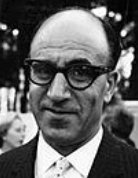
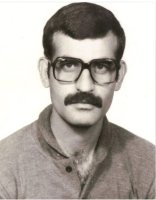
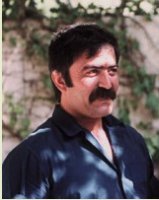
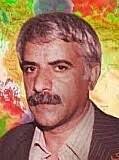
Ali Asghar Amirani, a publisher of the magazine "Khandaniha" and owner of a large printing house in Tehran, was executed in Qasr Prison by order of the Revolutionary Court's religious judge. At the time of his execution, he was 65 years old. Amirani, who began his journalistic career with the Ettela'at newspaper and published "Khandaniha" for four decades, was accused of having connections with Israel and the Iranian intelligence and security organisation (SAVAK). He was also accused of writing articles that supported the Shah and strengthened the foundations of the Pahlavi monarchy.
Amirani was initially arrested forty days after the revolution's victory but was later released. He was subsequently re-arrested, tried, and executed. Amnesty International, a non-governmental organisation, had attempted to support him following his second arrest, and these efforts were reported in the media. Previously, Dr. Simon Farzami, a translator and international news commentator for Pars News Agency, had been executed on similar charges.
Amirani was arrested on 13 March 1979. According to the laws of the Islamic Republic, he had not committed a crime and was merely a journalist. He was released in the summer of 1979, but all his assets were confiscated. After his release, he sought the return of his property and approached the Revolutionary Court, stating that he had been freed but all his assets had been taken. Despite being wealthy, the government only returned a 400-square-metre plot of land in the north. He expressed his frustration, stating that he was not a farmer but a journalist.
Amirani was arrested again and sentenced to eight years in prison. He appealed the sentence, but the appeal and subsequent review resulted in a death sentence, and he was executed on 23 June 1981.
Ali Asghar Amirani worked various jobs in Tehran to pursue his education. He worked both at home and outside, even offering to shovel snow. At seventeen, he attended high school, which was more expensive than primary school, necessitating more work. His first job involved operating a cutting machine. Later, he rented a bicycle to deliver newspapers to homes and gradually began reporting for Ettela'at newspaper. Additionally, he sold horse racing tickets at Jalalieh Square.
In 1940, Amirani managed to rent a room to publish "Khandaniha" magazine, releasing the first issue in September of the same year. The magazine successfully compiled articles from other publications. Sadr al-Din Elahi, a writer and journalist, praised Amirani's ability to select and curate content for the magazine.
Amirani described his arrest, stating that armed young men took him from his office, which also served as his bedroom, after a two-hour search. He was blindfolded and taken to an unknown location. Initially, he thought he was a kidnapping victim, but later realised he was in the custody of the Revolutionary Guards. He described his detention conditions, noting the lack of fresh air and the prohibition on reading newspapers, magazines, or listening to the radio, which was particularly difficult for someone who had spent forty years immersed in news and commentary.
Ayatollah Mohammad Mohammadi Gilani presided over Amirani's trial. Before his execution, Amirani was subjected to torture and flogged for drinking alcohol.
Three days after Amirani's execution by firing squad, his body was buried in Behesht-e Zahra without a ceremony, and some revolutionaries reportedly threw stones at his grave.
Before his execution, Amirani wrote to his wife, expressing regret for not being able to say goodbye to her and their daughter, Fareedeh, who was caring for three orphaned children. He assured her that his spirit and thoughts would live on in the pages of "Khandaniha" magazine.
علی اصغر امیرانی، ناشر مجله خواندنی ها و صاحب یک چاپخانه بزرگ در تهران، به حکم دادگاه انقلاب در زندان قصر اعدام شد. امیرانی که فعالیت مطبوعاتی خود را از روزنامه اطلاعات آغاز کرده بود و به مدت چهار دهه مجله خواندنی ها را منتشر می کرد، متهم به ارتباط با اسرائیل و سازمان اطلاعات و امنیت ایران (ساواک) بود و گفته شده است که مقالاتی در جهت تحکیم پایه های سلطنت پهلوی می نوشت.
امیرانی پس از پیروزی انقلاب دستگیر و سپس آزاد شد، اما بار دیگر بازداشت و پس از محاکمه اعدام شد. گزارش شده است که سازمان عفو بین المللی در پی دومین بازداشت امیرانی به حمایت از او پرداخته بود. پیش از او، دکتر سیمون فرزامی نیز به اتهامات مشابه اعدام شده بود.
او در تاریخ 22 اسفند 1357 دستگیر شد و در تابستان 1358 آزاد گردید، اما اموالش مصادره شد. پس از آزادی، او به دنبال اموال خود رفت و به دادگاه انقلاب مراجعه کرد. او دوباره دستگیر و به هشت سال زندان محکوم شد، اما در نهایت به اعدام محکوم و در تاریخ 2 تیر 1360 اعدام شد.
علی اصغر امیرانی در جوانی به دبیرستان رفت و برای تأمین هزینه های تحصیل به کارهای مختلفی مشغول شد. او کار خود را با ماشین برش آغاز کرد و سپس به توزیع روزنامه پرداخت. امیرانی در سال 1319 موفق به انتشار مجله خواندنی ها شد و اولین شماره آن را در شهریور همان سال منتشر کرد.
گزارش شده است که امیرانی در نوشته های خود به شرایط بازداشت و محاکمه اش اشاره کرده است. او در دادگاه انقلاب محاکمه شد و پیش از اعدام تحت شکنجه قرار گرفت. پیکر او سه روز پس از اعدام در بهشت زهرا به خاک سپرده شد.