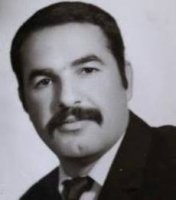
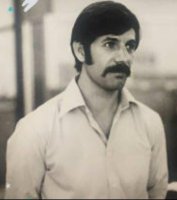
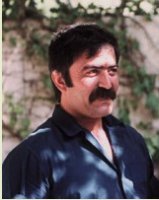
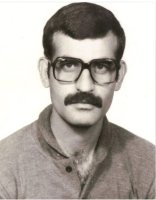
Keyvan Mahshid was a prominent member of the Tudeh Party of Iran in the years following the 1979 revolution. He was initially a member of the Islamic Nations Party and was arrested, tried, and imprisoned along with its leaders during the Shah's era. During his six years in prison, he developed an inclination towards the Tudeh Party. After his release, he established the National Organization for Educational Testing and became responsible for the annual university entrance exams.
Following the revolution, he was appointed as the head of the Iranian computer centre "IS Iran". As an electrical and computer engineer, he took on this role at a time when all American staff had left the institution, and many of its employees had also left Iran. With his intelligence and prudence, Keyvan managed to keep the centre operational.
After the revolution, he maintained his party and personal connections and gradually became linked to a branch of the clandestine party organisation. Keyvan was arrested during the second crackdown and was subjected to torture in the 1980s. It was reported that religious figures, such as Asadollah Lajevardi, tortured him vindictively because he had become a Tudeh supporter while in the Shah's prison. On the eve of the second crackdown on the party, during a trip to Hamedan with Abolghasem Sarhadi Zadeh, he learned that the crackdown was imminent and that 2,000 places had been cleared in the prisons of Towhid, Evin, and Eshratabad for this purpose. Upon returning from Hamedan, he conveyed this information to his old contact, the current editor of Rah-e Tudeh. Unfortunately, during this period, Rahman Hatefi, along with Javan Shir and Ebrahim, two members of the political committee, were on a trip to Azerbaijan and did not hear the important message left for them. Only 48 hours after this warning, the second crackdown on the party began.
On the brink of the 1988 massacre of political prisoners, Keyvan wrote a letter to Abolghasem Sarhadi Zadeh and Kazem Bejnourdi, two of his old comrades who still maintained their religious beliefs. In the letter, he described the torture he and other Tudeh members endured and provided his analysis of the future of the Islamic Republic. It is known that this letter reached the two individuals, one of whom, Kazem Bejnourdi, is still alive and currently heads the Great Islamic Encyclopaedia. The full content of the letter is unknown, and its recipients have not published it.
Setareh Sarhadi Zadeh, the sister of Abolghasem Sarhadi Zadeh, who apparently supports the Islamic Nations Party, wrote and published an account of Keyvan Mahshid. In it, she mentioned a meeting between Keyvan, Sarhadi Zadeh, Bejnourdi, and Ayatollah Anvari. Reportedly, at their request, Keyvan was transferred from Evin Prison to a house where the three were gathered in the second half of 1988. They urged him to write a letter seeking pardon to secure his release, suspecting that a massacre of prisoners was imminent. Keyvan refused to write the letter, stating that he had endured prison and torture and would remain until he was freed. Unfortunately, this expectation proved incorrect, and Keyvan was executed during the 1988 massacre of political prisoners. In Setareh Sarhadi Zadeh's account, it was noted that Keyvan continued to pray in prison as he did outside, but remained a Tudeh supporter until the end.
Keyvan was arrested during the regime's crackdown on the Tudeh Party and, despite a 15-year sentence, was executed after attending an inquisition court in September 1988.
کیوان مهشید از اعضای برجسته حزب توده ایران پس از انقلاب ۱۳۵۷ بود. او که عضو حزب ملل اسلامی بود، در دوران شاه دستگیر و زندانی شد و در طول ۶ سال زندان به حزب توده گرایش پیدا کرد. پس از آزادی، سازمان سنجش و آموزش کشور را تأسیس کرد و مسئول اجرای سالیانه کنکور دانشگاه ها شد.
پس از انقلاب، به عنوان سرپرست مرکز کامپیوتری ایران "ایز ایران" منصوب شد. او که مهندس برق و کامپیوتر بود، این مسئولیت را در زمانی برعهده گرفت که کارکنان آمریکایی این موسسه را ترک کرده بودند و بسیاری از کارمندان نیز از ایران خارج شده بودند. کیوان با مدیریت خود، این مرکز را فعال نگه داشت.
کیوان ارتباط حزبی و فردی خود را حفظ کرد و به شاخه ای از سازمان غیر علنی حزب متصل شد. او در جریان یورش دوم دستگیر شد و تحت شکنجه قرار گرفت. در آستانه یورش دوم به حزب، در سفری به همدان، اطلاع یافت که یورش دوم به حزب قریب الوقوع است و این اطلاعات را به رابط قدیمی خود رساند. تنها 48 ساعت پس از این هشدار، یورش دوم به حزب آغاز شد.
کیوان در آستانه قتل عام زندانیان سیاسی در سال ۱۳۶۷ نامه ای به دو یار قدیمی خود نوشت و در آن به شرح شکنجه های خود و دیگر اعضای حزب پرداخت. این نامه به دست آن دو نفر رسید، اما محتوای کامل آن منتشر نشده است.
گزارش شده است که در نیمه دوم سال ۱۳۶۷ ، کیوان به خانه ای منتقل شد و از او خواسته شد نامه ای برای بخشش بنویسد، اما او این درخواست را نپذیرفت و گفت که زندان و شکنجه را تحمل کرده و منتظر آزادی می ماند. در نهایت، کیوان در قتل عام زندانیان سیاسی در سال ۱۳۶۷ اعدام شد. او در زندان نیز به عبادات خود ادامه می داد و تا پایان به حزب توده وفادار ماند. کیوان در یورش رژیم به حزب توده دستگیر و علی رغم 15 سال محکومیت، پس از حضور در دادگاه در شهریور ۱۳۶۷ اعدام شد.