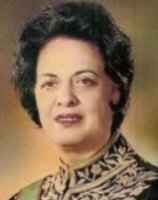
Farrokhroo Parsa was the first female director-general in Iran and the country's first female minister. Following the 1979 revolution, despite having been removed from her ministerial position years earlier, she was tried by the Islamic Revolutionary Court in Tehran, presided over by Mohammad Gilani, and executed on charges of "corruption on earth."
Farrokhroo Parsa (1922–1980), a physician, educator, and politician, was the first woman in Iran's history to attain a ministerial position. Her life and fate are summarised as follows: She was born in Qom during her mother's exile. Her mother, Fakhr Afagh Parsa, was a journalist and women's rights activist, and her father was also involved in the press. Farrokhroo Parsa received her medical degree from the University of Tehran but chose a career in teaching and school administration due to her interest in education.
She became the first female director-general in Iran (at the National University) and led several prominent high schools in Tehran. During the twenty-first parliamentary session, she was elected as a representative for Tehran in the National Consultative Assembly. In 1968, she was appointed Minister of Education. Her significant contributions included promoting women's education in rural areas, establishing coeducational schools to provide girls with access to higher education, and replacing Arabic with English language instruction.
In February 1980, she was arrested at her child's home. Her trial took place in May 1980, led by Mohammad Gilani. She faced charges such as "corruption on earth," "embezzlement of public funds," "promoting immorality in culture," and "having illicit relationships with subordinates." Parsa denied all moral and financial accusations, emphasising her Muslim faith and explaining that the hijab should not hinder women's social activities. She also defended her collaboration with individuals like Mohammad Javad Bahonar in drafting religious textbooks.
Despite efforts by Abolhassan Banisadr to overturn the sentence due to her gender and lack of involvement in murder, she was executed on 8 May 1980 in Evin Prison. It is reported that due to the rope breaking, she was shot by a firing squad. In her final note, she emphasised her clear conscience and expressed hope for a better future for Iranian women than the unequal trials of that time.
فرخ رو پارسا اولین مدیر کل زن در ایران و نخستین وزیر زن کشورمان بود. پس از انقلاب ۱۳۵۷، با این که سال ها از برکناری مقام وزارتش می گذشت، در دادگاه انقلاب اسلامی شعبه تهران به ریاست محمدی گیلانی محاکمه و به عنوان «مفسد فی الارض» اعدام شد.
فرخ رو پارسا (۱۳۰۱–۱۳۵۹)، پزشک، فرهنگی و سیاست مدار، نخستین زن در تاریخ ایران بود که به مقام وزارت رسید. خلاصه زندگی و سرنوشت او به شرح زیر است:
او در قم و در زمان تبعید مادرش (فخرآفاق پارسا، روزنامه نگار و فعال حقوق زنان) متولد شد. پدرش نیز از اهالی مطبوعات بود. او دکتری پزشکی خود را از دانشگاه تهران دریافت کرد، اما به دلیل علاقه به آموزش، حرفه دبیری و مدیریت مدرسه را برگزید.
او اولین مدیرکل زن در ایران (دانشگاه ملی) بود و ریاست چندین دبیرستان برجسته تهران را بر عهده داشت و در دوره بیست و یکم به عنوان نماینده مردم تهران وارد مجلس شورای ملی شد.
در سال ۱۳۴۷ وزیر آموزش و پرورش شد. از اقدامات مهم او می توان به ترویج آموزش زنان در مناطق روستایی، تاسیس مدارس مختلط برای دسترسی دختران به تحصیلات عالی، و جایگزینی آموزش زبان انگلیسی به جای عربی اشاره کرد.
او در بهمن ۱۳۵۸ در منزل فرزندش بازداشت شد. محاکمه او در اردیبهشت ۱۳۵۹ به ریاست محمدی گیلانی برگزار شد. او با اتهاماتی چون «مفسد فی الارض»، «حیف ومیل بیت المال»، «ترویج فحشا در فرهنگ» و «داشتن روابط نامشروع با زیردستان» روبه رو شد.
پارسا تمام اتهامات اخلاقی و مالی را رد کرد. او بر مسلمان بودن خود تاکید داشت و توضیح داد که حجاب نباید مانع فعالیت اجتماعی زنان شود. وی همچنین از همکاری با افرادی چون محمدجواد باهنر در تدوین کتب دینی دفاع کرد.
علیرغم تلاش های ابوالحسن بنی صدر برای لغو حکم به دلیل «زن بودن» و «عدم ارتکاب قتل»، وی در ۱۸ اردیبهشت ۱۳۵۹ در زندان اوین اعدام شد. گفته می شود به دلیل پاره شدن طناب دار، او را تیرباران کردند.
او در آخرین یادداشتش بر پاکی وجدان خود تاکید کرد و ابراز امیدواری کرد که آینده برای زنان ایران بهتر از وضعیت آن زمان (دادگاه های نابرابر) باشد.