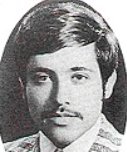
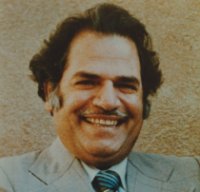
Mr. Yaldaei was arrested on 1 Aban 1361 (23 October 1982) after attending a meeting. Several forces entered his home, conducted a search, collected books and papers, and detained him along with several others, transferring them to the headquarters of the Islamic Revolutionary Guard Corps. After initial interrogations, he was moved to solitary confinement and held under harsh conditions with two others. This situation persisted until he was transferred to Adelabad Prison. During his imprisonment, he had one encounter with a family member, during which threats were made against him.
Reports indicate that Mr. Yaldaei was told he had the opportunity to renounce his religion and accept Islam. He was also informed that if he did not sign a statement renouncing his beliefs, he would face the threat of death. It is unclear whether these sessions were fully conducted.
No formal charges were announced against Mr. Yaldaei, but reports suggest that the accusations were related to his religious beliefs and activities. In the absence of due process guarantees, the validity of the alleged crimes remains uncertain.
No evidence was presented against the accused, and there is no information available regarding his defense. Representatives of the Bahá'í community believe that religious beliefs are the primary reason for the arrest and trial of Bahá'ís, and requests by the accused to access their case files are usually denied.
Authorities did not share the verdict with the family of the accused. However, in an interview, the head of the Islamic Revolutionary Court indicated that there is no place for Bahá'ís in the Islamic Republic of Iran. The Shiraz Revolutionary Court sentenced the accused to death, and the Supreme Court upheld this sentence. On 7 Tir 1362 (28 June 1983), he was transferred to a location and given a final opportunity to recant his faith. After refusing to do so, he was executed.
Authorities did not inform his family of the execution, and they learned of it by chance. His body, along with those of other executed Bahá'ís, was transferred to the Bahá'í cemetery in Shiraz and buried without funeral rites.
آقای یلدائی در 1 آبان 1361 پس از پایان جلسه ای که در آن شرکت داشت، دستگیر شد. تعدادی از نیروها به منزل وی وارد شده و پس از بازرسی و جمع آوری کتب و اوراق، او و چند نفر دیگر را دستگیر و به مرکز سپاه پاسداران منتقل کردند. پس از مراحل اولیه بازجویی، او به سلول انفرادی منتقل شد و با دو نفر دیگر در شرایط سختی نگهداری شد. این وضعیت تا زمانی که او به زندان عادل آباد منتقل شد، ادامه داشت. در طول مدت زندانی بودن، او یک بار با یکی از اعضای خانواده اش روبرو شد و تهدیداتی علیه او مطرح شد.
گزارش ها حاکی از آن است که به متهم گفته شده بود که فرصت دارد تا از مذهب خود دست بکشد و اسلام را بپذیرد. همچنین به او اعلام شده بود که اگر بیانیه ای در نفی اعتقادات خود امضا نکند، با خطر مرگ مواجه خواهد شد. مشخص نیست که آیا این جلسات به طور کامل برگزار شده اند یا خیر.
اتهامات رسمی علیه آقای یلدائی اعلام نشد، اما گزارش ها نشان می دهد که اتهامات او مربوط به اعتقادات و فعالیت های مذهبی اش بوده است. در شرایطی که تضمین های دادرسی رعایت نمی شود، صحت جرایم نسبت داده شده به او مشخص نیست.
هیچ مدرکی علیه متهم ارائه نشده و اطلاعاتی از دفاعیات او در دسترس نیست. نمایندگان جامعه بهائی معتقدند که اعتقادات دینی دلیل اصلی بازداشت و دادگاهی شدن بهائیان است و معمولاً درخواست متهمان برای دسترسی به پرونده هایشان رد می شود.
مقامات حکم را با خانواده متهم در میان نگذاشتند. اما در مصاحبه ای، رئیس دادگاه انقلاب اسلامی اشاره کرد که برای بهائیان در جمهوری اسلامی ایران جایی نیست. دادگاه انقلاب شیراز متهمین را به مرگ محکوم کرد و دیوان عالی کشور این حکم را تایید کرد. در 7 تیرماه 1362، او به محلی منتقل شد و برای آخرین بار فرصت داده شد تا از دین خود برگردد. پس از امتناع از این کار، او اعدام شد.
مقامات خبر اعدام را به خانواده اش اطلاع ندادند و خانواده به طور اتفاقی از این موضوع مطلع شدند. جسد او و سایر بهائیان اعدام شده به قبرستان بهائیان شیراز منتقل و بدون رعایت مراسم خاکسپاری دفن شد.