حکم اعدام محمد نادری اردکناری، محبوس در زندان قزلحصار کرج، به اتهام جاسوسی در دیوان عالی کشور تایید شده است. شعبه ۲۳ دادگاه انقلاب تهران، به ریاست قاضی محمدتقی تقی زاده، بدون اجرای درخواست پزشکی قانونی برای بررسی وضعیت روانی متهم، حکم اعدام را صادر کرده است. پزشکی قانونی در نظریه ثبت شده در پرونده خواستار ارجاع نادری اردکناری به پزشک معالج برای تکمیل بررسی ها و اعلام نظر نهایی درباره وضعیت روانی او شده بود. نادری اردکناری حدود ۱۱ سال تحت درمان این پزشک بوده و بررسی احتمال ابتلای او به جنون ادواری نیازمند مطالعه سوابق درمانی و ارزیابی تخصصی بوده است. با این حال، قاضی تقی زاده از اجرای درخواست پزشکی قانونی خودداری کرده است. امیرسالار داودی، از وکلای مدافع پرونده، بارها خواستار ارجاع متهم به پزشک معرفی شده در نظریه پزشکی قانونی شده، اما قاضی در پاسخ گفته است که خود به اندازه کافی آگاه است. مخالفت قاضی با این درخواست به مشاجره لفظی با وکیل منجر شده است. وضعیت نادری اردکناری در جلسه به اندازه ای نامناسب بوده که بدن او به شدت می لرزیده و قاضی دستور داده برای او آب بیاورند. جلسه رسیدگی در شعبه ۲۳ دادگاه انقلاب تهران برگزار شده و قاضی تنها یک تا دو دقیقه به اظهارات متهم گوش داده است. هنگام دفاع شفاهی امیرسالار داودی نیز قاضی بارها سخنان او را قطع کرده و خواستار ارائه دفاعیات به صورت کتبی شده است. قاضی در جریان دفاع وکیل اعلام کرده که به دفاعیات توجهی نخواهد کرد و متهم را به دلیل خیانت به کشور اعدام خواهد کرد. جلسه دادگاه تنها با حضور یک قاضی و بدون حضور نماینده دادستان برگزار شده است. وکلای پرونده به این موضوع اعتراض کرده اند، اما قاضی اعلام کرده که صورت جلسه بعدا برای امضای نماینده دادستان ارسال خواهد شد. محمد نادری اردکناری در ۲۶ اسفند ۱۴۰۴، هنگام تصویربرداری از محل وقوع یک حمله در بلوار ارتش تهران بازداشت شد. ماموران پس از ضبط تلفن همراه او، به منزلش مراجعه کرده و تجهیزات اینترنت ماهواره ای استارلینک را نیز ضبط کرده اند. او به داشتن ارتباط با یک طرف خارجی و ارسال تصاویر و اطلاعات متهم شده است. نادری اردکناری هیچ گونه وجهی در قبال این ارتباطات دریافت نکرده و وکلای پرونده نیز به فقدان انگیزه مالی اشاره کرده اند. بخشی از تصاویر منتسب به او مربوط به پارکینگ های خالی بوده که با هدف شناسایی مکان هایی برای انتقال احتمالی مجروحان در شرایط بحرانی تهیه شده اند. برخی ادعاهای مطرح شده علیه متهم، از جمله همراه داشتن ابزارهای خاص، نیز مورد اعتراض وکلا قرار گرفته و درباره اخذ اعترافات اجباری اعتراض هایی مطرح شده است. محمد نادری اردکناری تنها پسر خانواده و فرزند یکی از کشته شدگان جنگ هشت ساله ایران و عراق است.
Mohammad Naderi
Mohammad Naderi Adrkenari
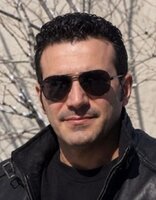
محمد نادری
محمد نادری اردکناری
533ed2ee-b8b7-11f1-a8ef-560003f1f421
Short link: https://sml.yt/k7foo
The death sentence of Mohammad Naderi Ardekanari, imprisoned in Ghezel Hesar Prison in Karaj, has been confirmed by the Supreme Court on charges of espionage. Branch 23 of the Tehran Revolutionary Court, presided over by Judge Mohammad Taghi Taghizadeh, issued the death sentence without implementing the forensic medicine's request to assess the mental health of the accused. The forensic medicine report in the case had requested that Naderi Ardekanari be referred to his treating physician for further examination and a final opinion on his mental condition. Naderi Ardekanari had been under the care of this physician for approximately 11 years, and evaluating the possibility of his suffering from bipolar disorder required a review of his medical history and a specialised assessment. However, Judge Taghizadeh did not comply with the forensic medicine's request.
Amirsalar Davoudi, one of the defence lawyers, repeatedly requested that the accused be referred to the physician mentioned in the forensic medicine report, but the judge responded that he was sufficiently informed. The judge's refusal led to a verbal altercation with the lawyer. Naderi Ardekanari's condition during the session was reportedly so poor that his body was trembling, prompting the judge to order water for him. The hearing was held in Branch 23 of the Tehran Revolutionary Court, where the judge listened to the defendant's statements for only one to two minutes. During Amirsalar Davoudi's oral defence, the judge frequently interrupted and requested that the defence be submitted in writing. The judge stated during the lawyer's defence that he would not consider the arguments and would sentence the accused to death for treason. The court session was conducted with only the judge present and without a prosecutor's representative. The defence lawyers objected to this, but the judge stated that the minutes would later be sent to the prosecutor's representative for signature.
Mohammad Naderi Ardekanari was arrested on 16 March 2026 while filming the site of an attack on Artesh Boulevard in Tehran. After confiscating his mobile phone, officers visited his home and seized Starlink satellite internet equipment. He was accused of having connections with a foreign party and sending images and information. Naderi Ardekanari did not receive any payment for these connections, and the defence lawyers highlighted the lack of financial motive. Some of the images attributed to him were of empty parking lots, intended to identify potential locations for transferring the wounded in crisis situations. Some allegations against the accused, including possessing specific tools, were contested by the lawyers, and objections were raised regarding forced confessions. Mohammad Naderi Ardekanari is the only son of his family and the child of one of the casualties of the eight-year Iran-Iraq war.
More people in Tehran, Sentenced to death

Help Complete This Report with Your Input

Once you submit your report, we carefully review and publish it as the latest verified update on the detainee's case, ensuring that their situation remains visible, documented, and accessible to the public. By keeping accurate and up to date information online, Witness Report helps prevent cases from being forgotten, strengthens public awareness, and reinforces accountability. This process offers reassurance that your loved one's story continues to be seen, acknowledged, and remembered.
Media
Thank You
Get Involved
© 2022-2026 Witness Report Incorporated. Established 2022. All rights reserved.