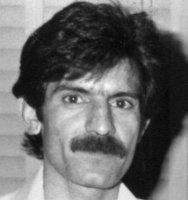
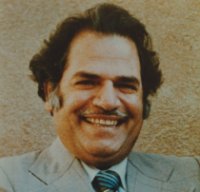
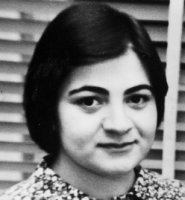
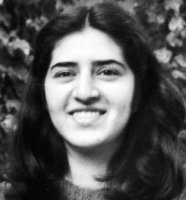
Kourosh Haqbin was born into a Bahá'í family. After completing his primary and secondary education and fulfilling his military service, he moved to Marvdasht, near Shiraz, to promote the Bahá'í faith and settled there. In 1975, he married, and following the birth of his first child in 1977, he relocated to Sarpol-e Zahab. However, with the onset of the Iran-Iraq war, he was forced to leave the city and returned to Marvdasht. In 1982, he was elected to the local Bahá'í assembly in Marvdasht.
On 29 November 1982, he was arrested and imprisoned. Five days later, he was transferred from Marvdasht to Adelabad Prison in Shiraz. It has been reported that during his last meeting with his wife before his execution, he was informed that during the final interrogation, they were asked if they would renounce their Bahá'í faith, to which they had responded in writing that they would not. On 16 June 1983, he was hanged along with five other Bahá'ís. Their bodies were not returned to their families and were likely buried by government officials.
کورش حق بین در یک خانواده بهائی متولد شد. پس از اتمام تحصیلات دبستان و دبیرستان و گذراندن دوران نظام وظیفه، به منظور ترویج آئین بهایی به مرودشت در حومه شیراز رفت و در آنجا ساکن شد. در سال ۱۳۵۴ ازدواج کرد و بعد از تولد اولین فرزندش در سال ۱۳۵۶ به سرپل ذهاب رفت؛ اما با شروع جنگ ایران و عراق مجبور به ترک این شهر شد و به مرودشت بازگشت. در سال ۱۳۶۱ به عضویت محفل محلی مرودشت انتخاب شد.
در ٨ آذر ۱۳۶۱ بازداشت و زندانی شد. پس از پنج روز او را از مرودشت به شیراز و به زندان عادل آباد منتقل کردند. گزارش شده است که در آخرین ملاقات قبل از اعدام با همسرش، به او اطلاع داده شده بود که در آخرین بازجویی از آنان سؤال شده که آیا حاضرند از بهائی بودن تبری کنند و آنان کتباً پاسخ داده اند که تبری نمی کنند. در ۲۶ خرداد ۱۳۶۲ او به همراه پنج بهائی دیگر به دار آویخته شد. جسد آنان به خانواده هایشان تحویل داده نشد و احتمالاً مأمورین دولتی آن ها را به خاک سپردند.